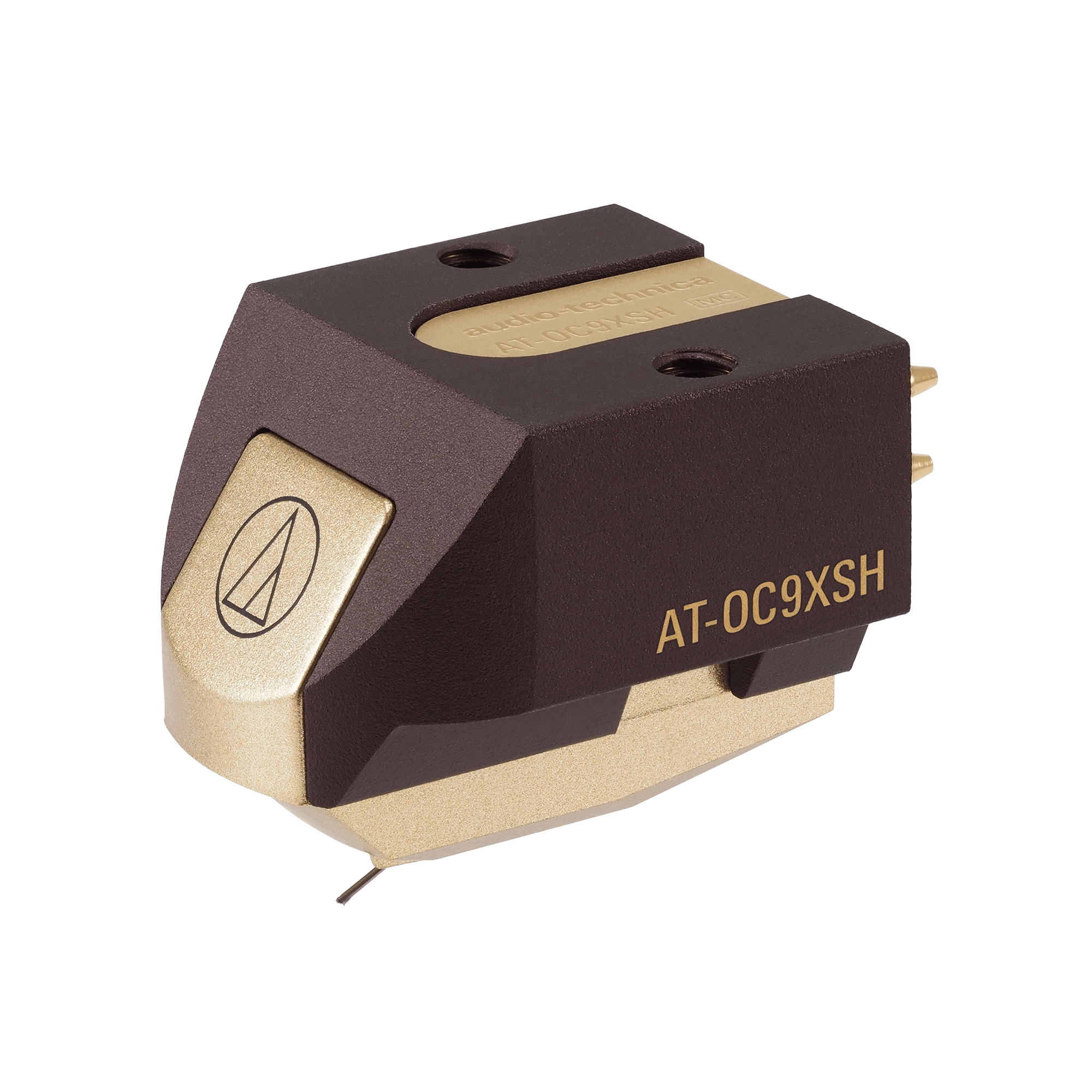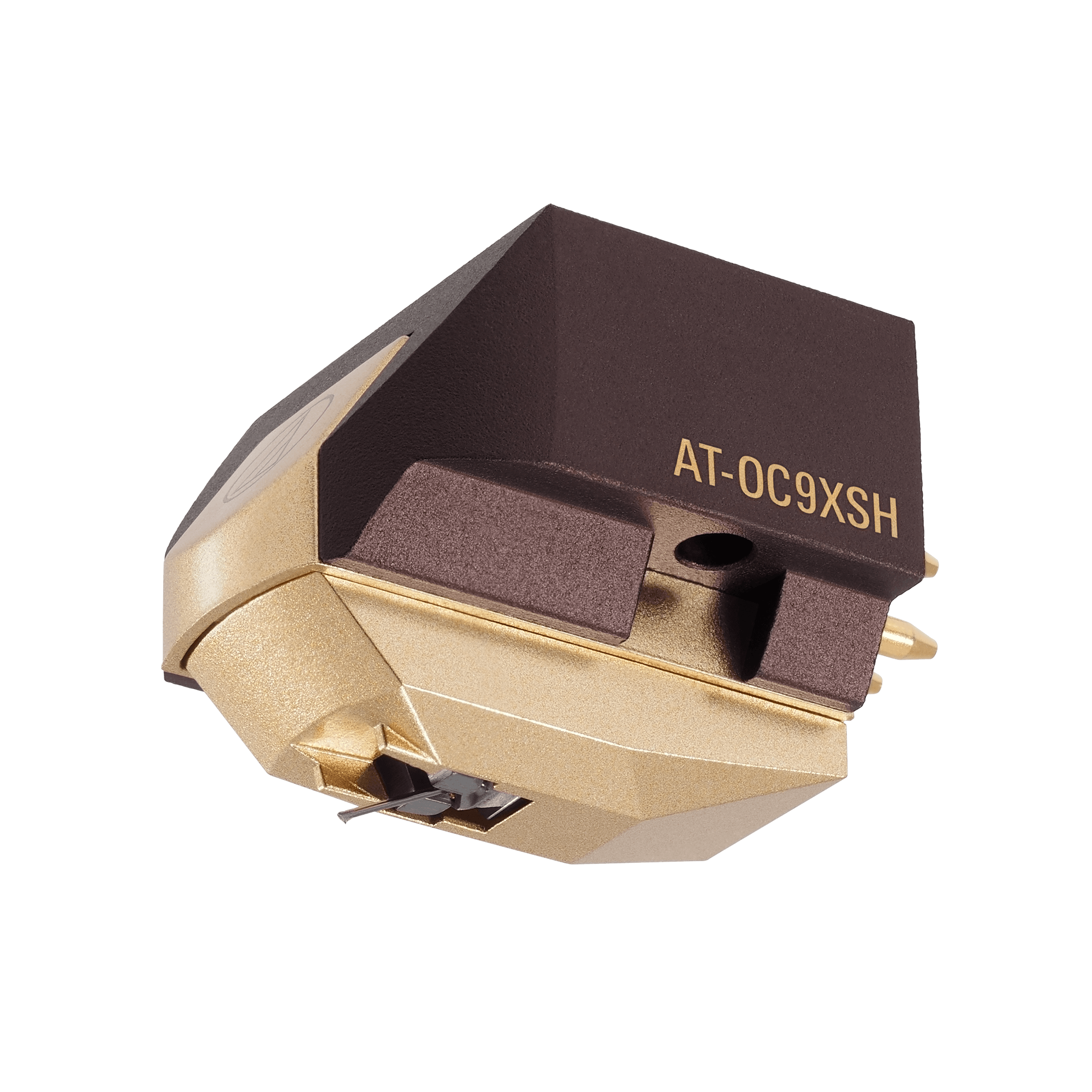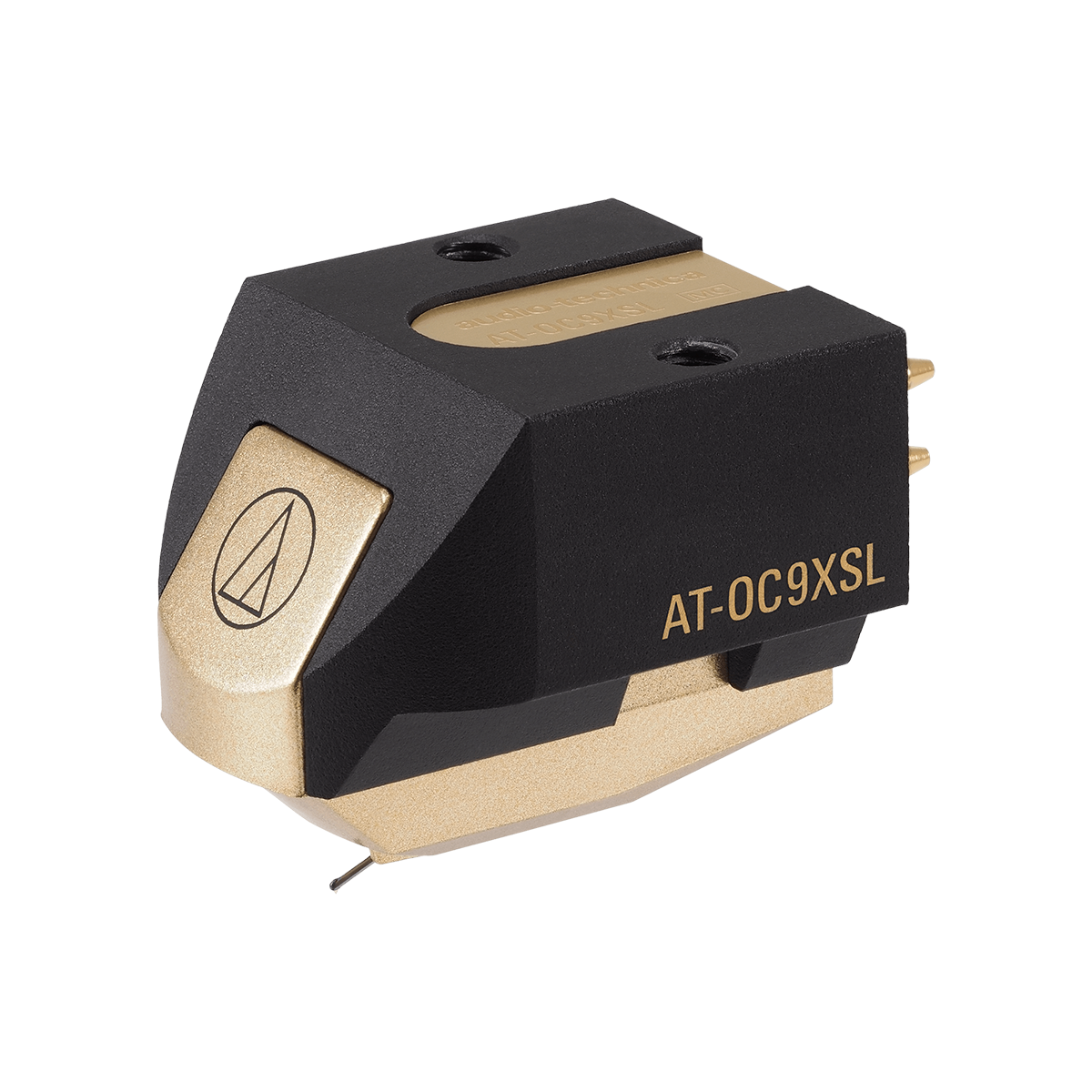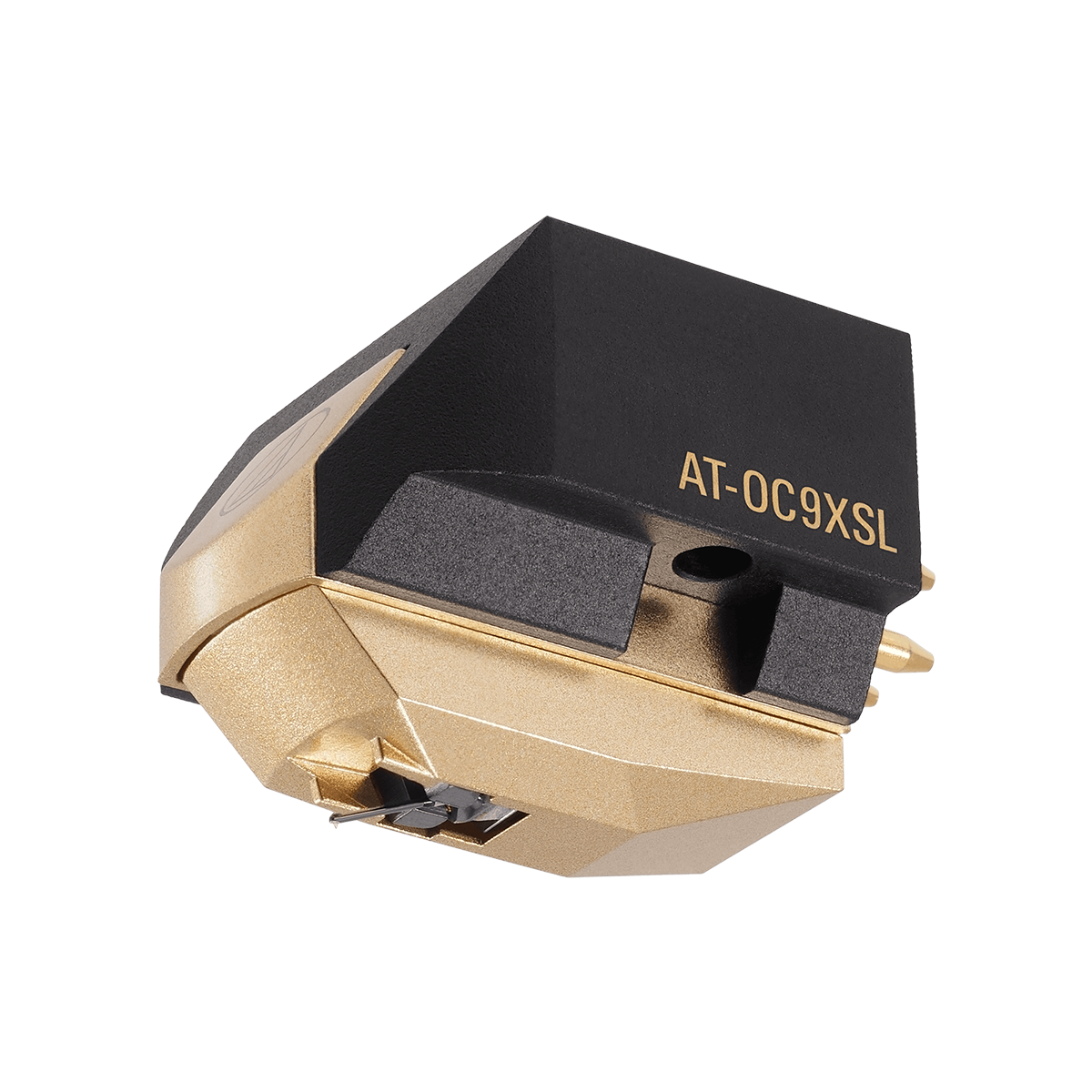

























If you have started looking at cartridge upgrades, you have almost certainly run into the terms moving magnet and moving coil. They are on every product listing, all over the forums, and in every YouTube comparison. What is harder to find is a straight explanation of what the difference means for you, without the jargon or the gatekeeping.
The distinction matters before you spend anything, because it affects more than sound. The two cartridge types do the same job in two different ways, and they are not always compatible with the same phono stage. Get the pairing wrong and you can end up with sound that is weak, noisy, or barely there. Get it right, and you can stop thinking about the gear and go back to the records.
This guide covers what each type is, the handful of differences that actually affect your decision, and how to land on the right choice for your system and your collection. No mysticism, no gatekeeping.
What a moving magnet cartridge actually is
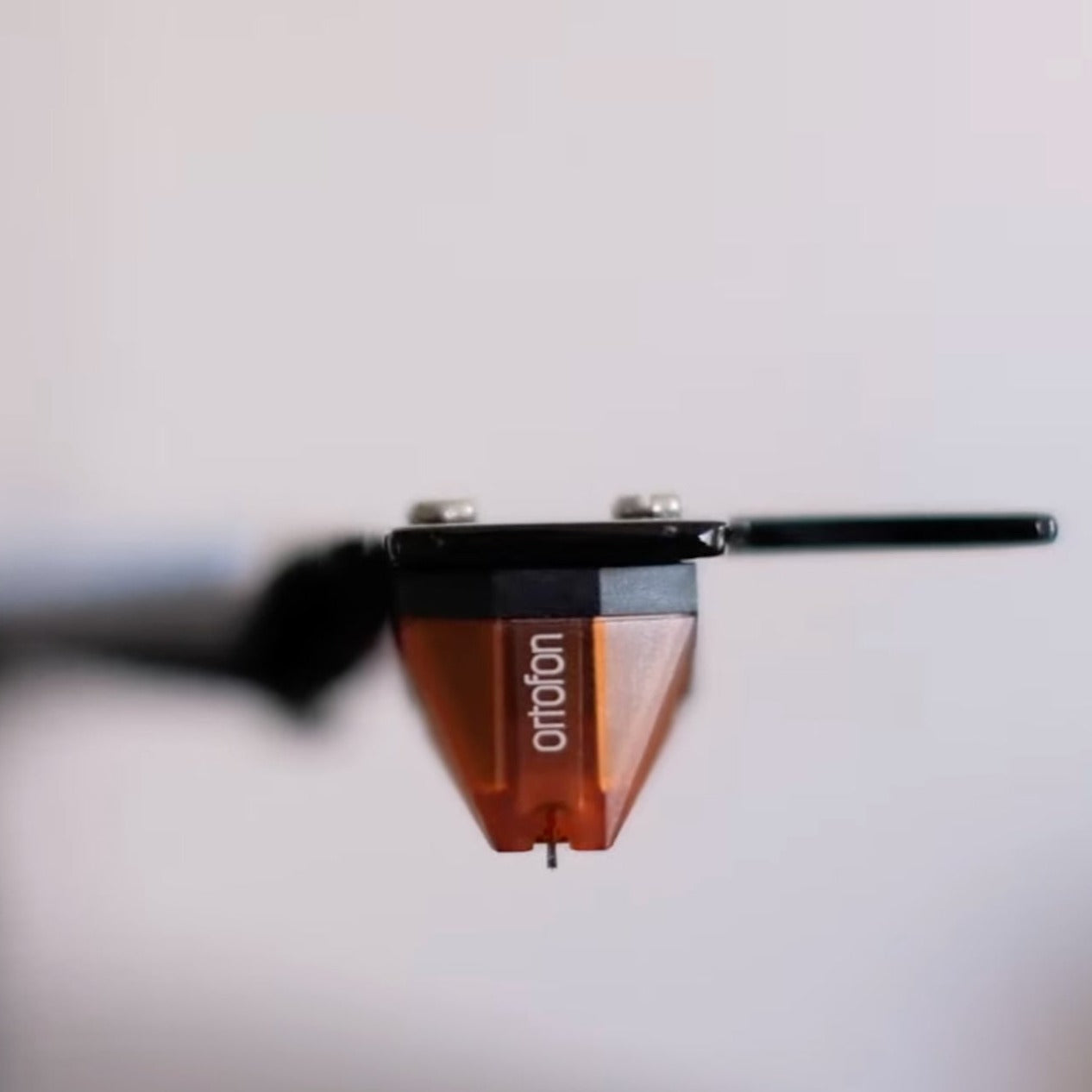
A moving magnet cartridge works as the name suggests. A tiny magnet sits on the end of the cantilever, the small arm that holds the stylus. That magnet is positioned between a set of fixed coils built into the body of the cartridge. As the stylus traces the groove of the record, the cantilever moves, the magnet moves with it, and that movement generates the electrical signal that becomes your music.
The thing to picture is what moves and what stays still. In a moving magnet design, the magnet moves and the coils are fixed in place. That single fact is the root of almost every practical difference further down, so it is worth holding onto.
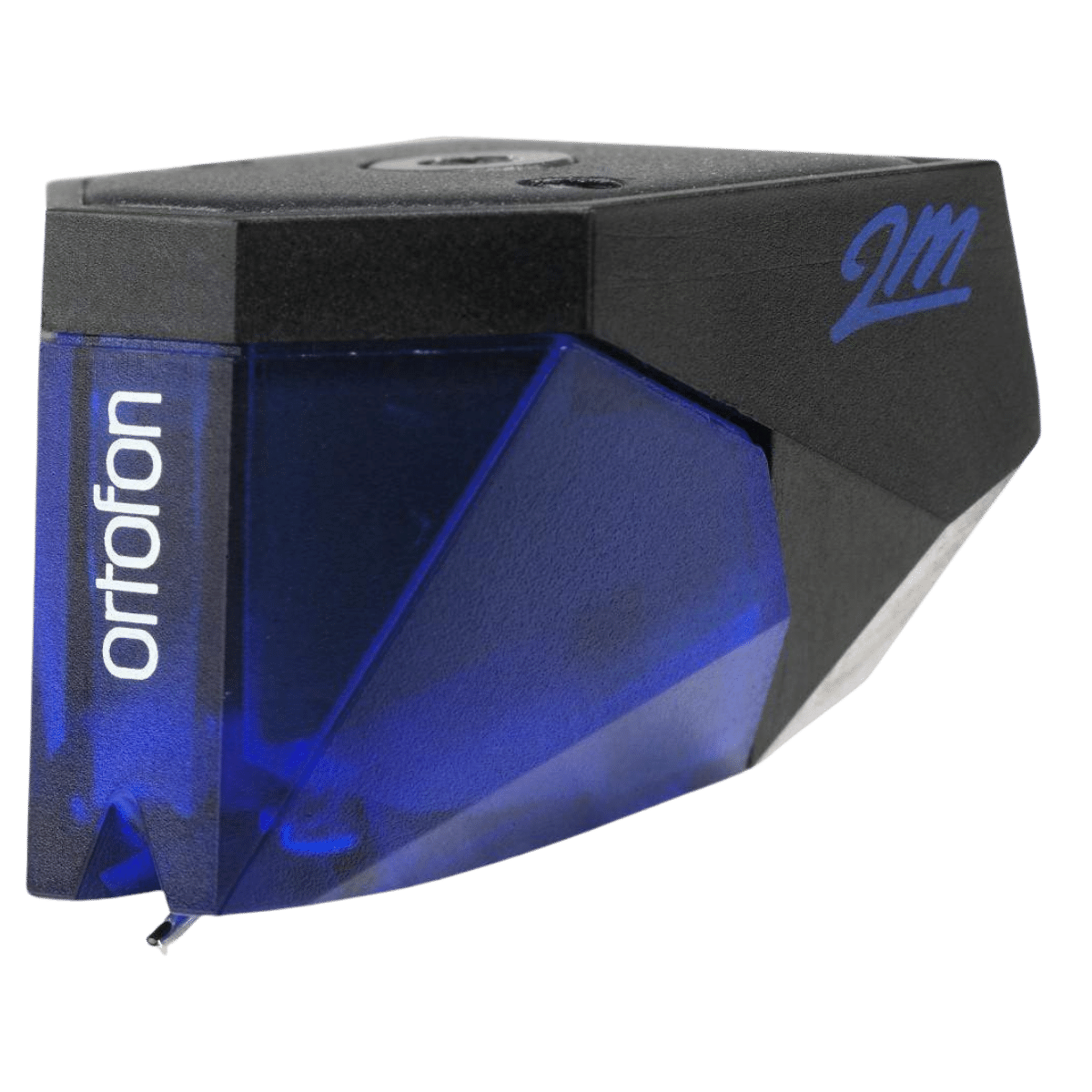
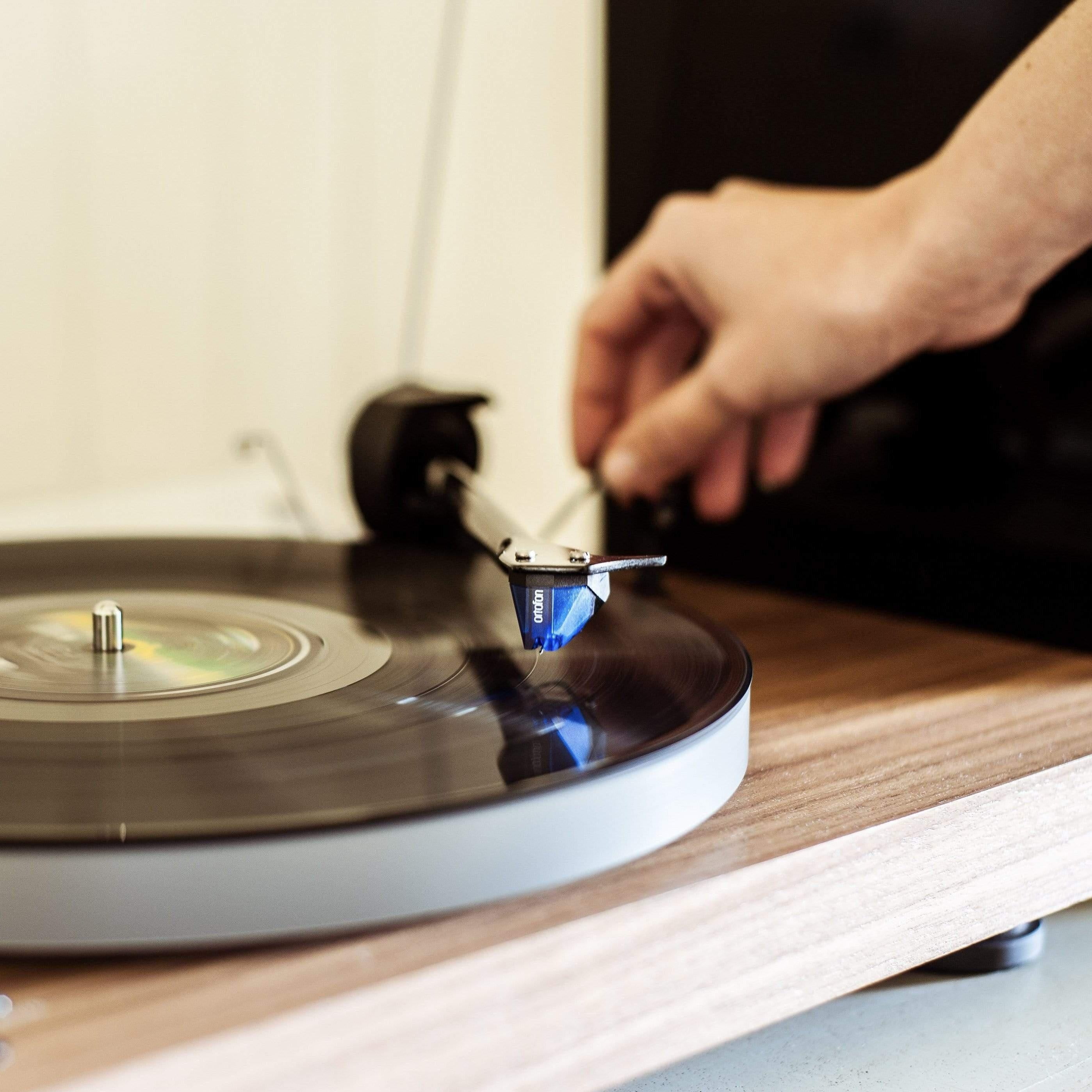
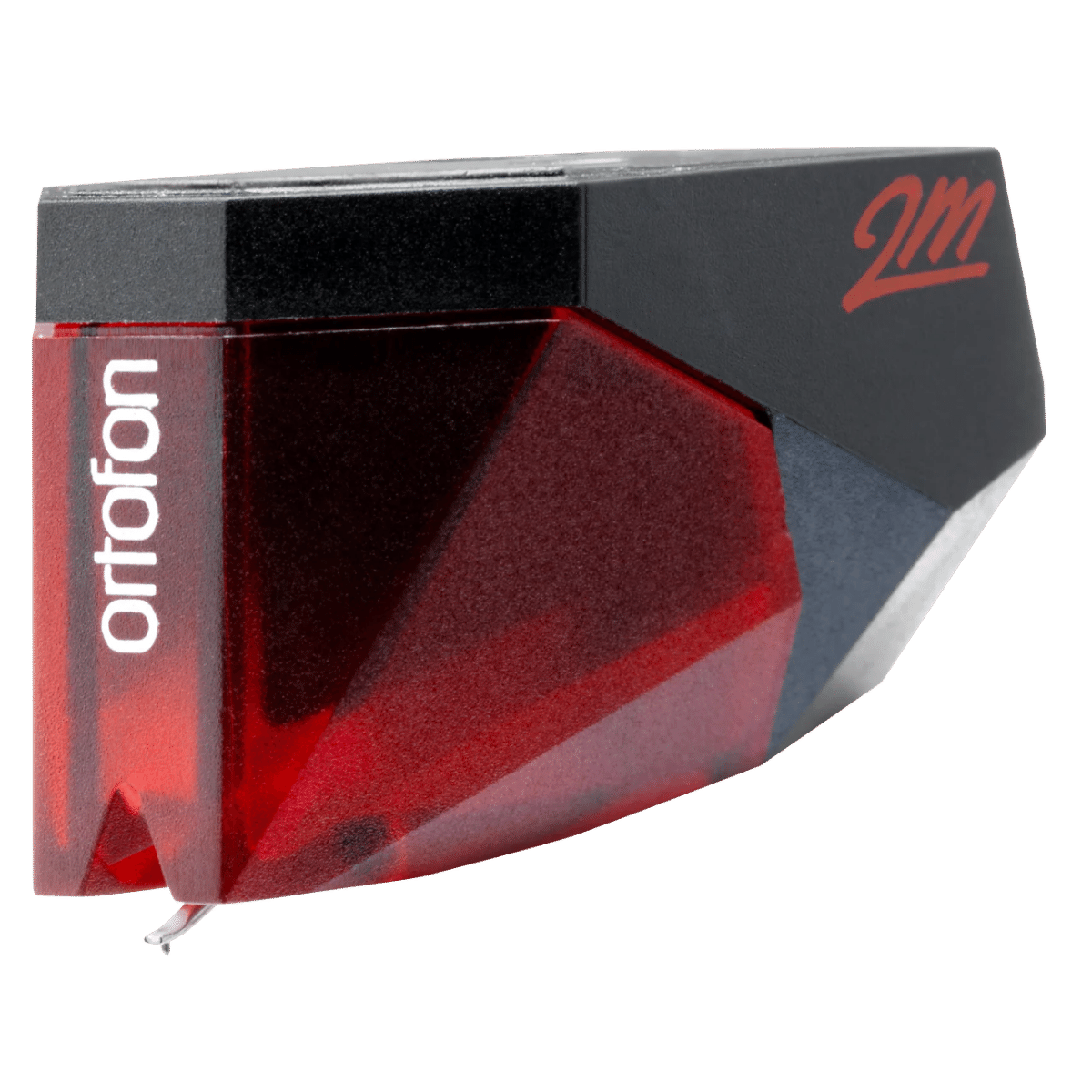
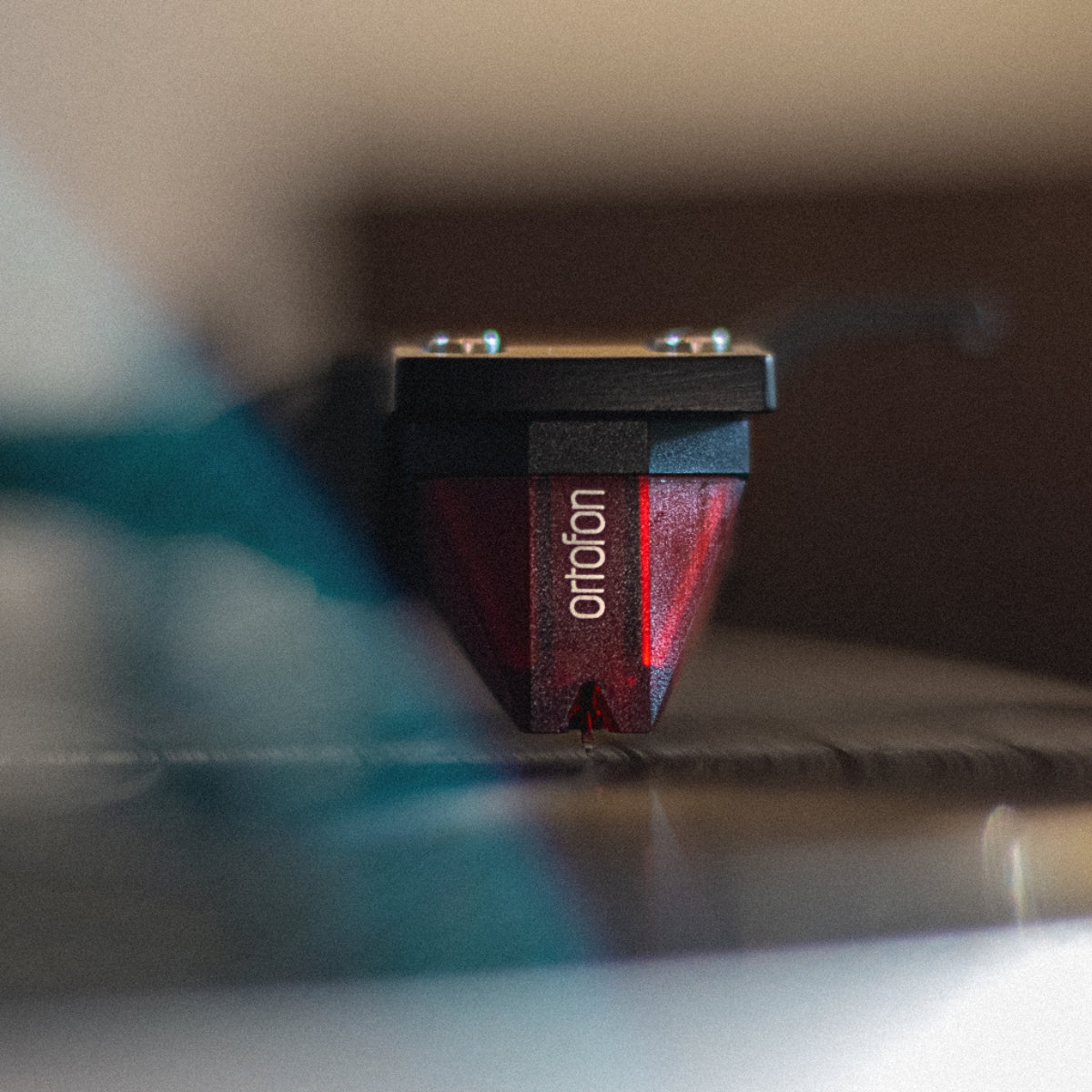
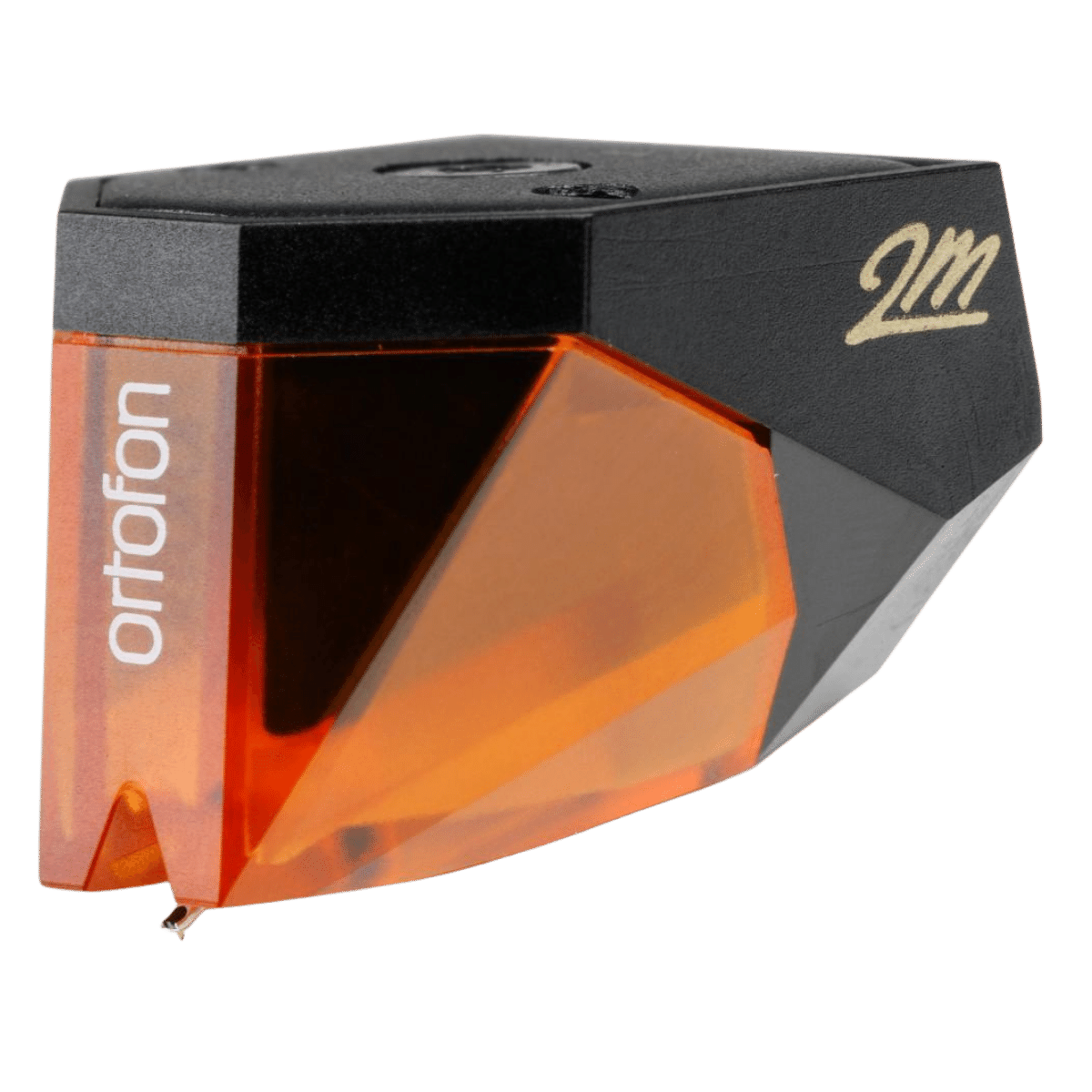
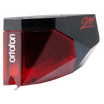
Moving magnet is the more common of the two types, and the one most turntables come fitted with from the factory. It is the design behind some of the most popular cartridges in the world, including Ortofon's 2M range, which has become the reference point most people compare everything else against. If you have a turntable now, there is a very good chance a moving magnet cartridge is already sitting on the end of your tonearm.

What a moving coil cartridge actually is
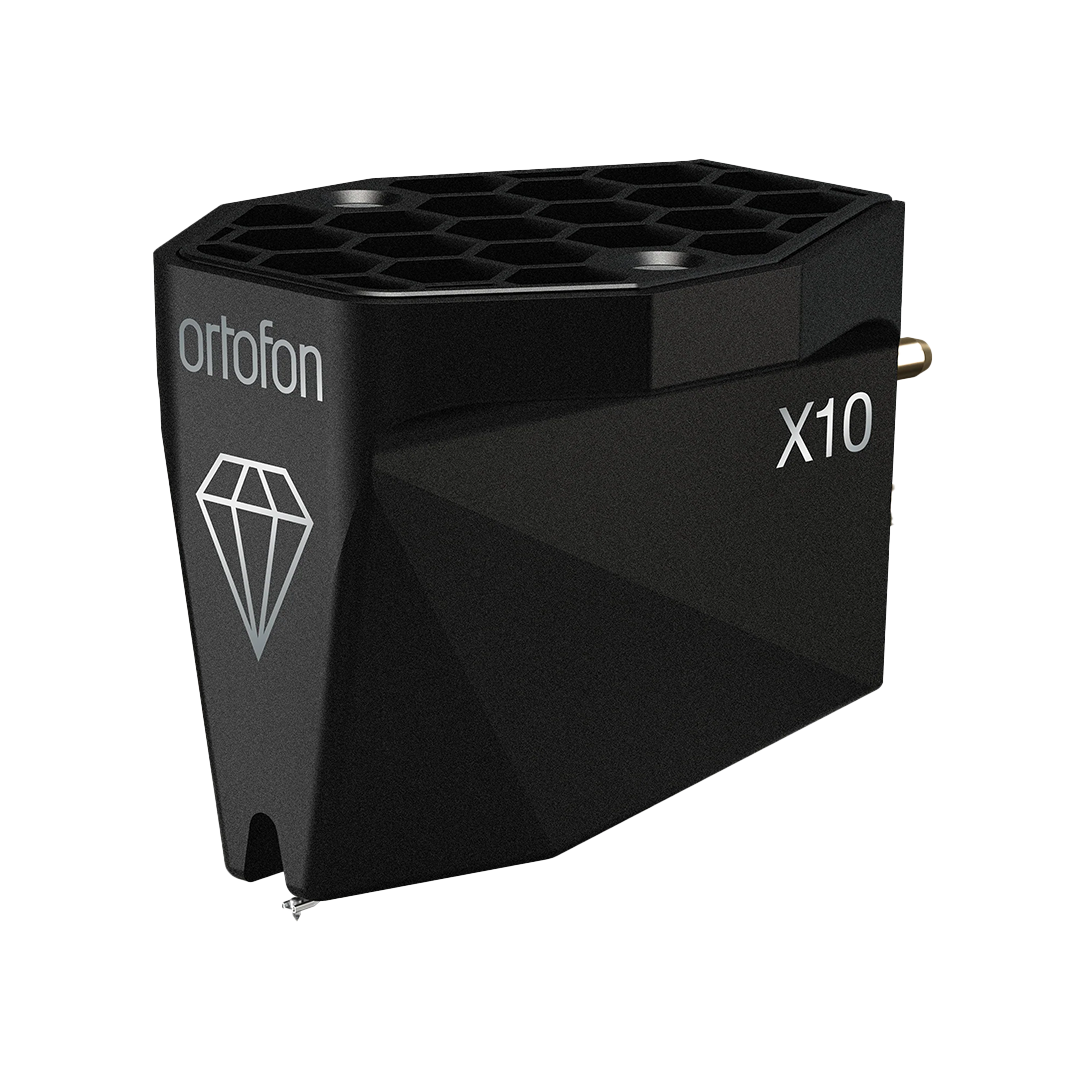
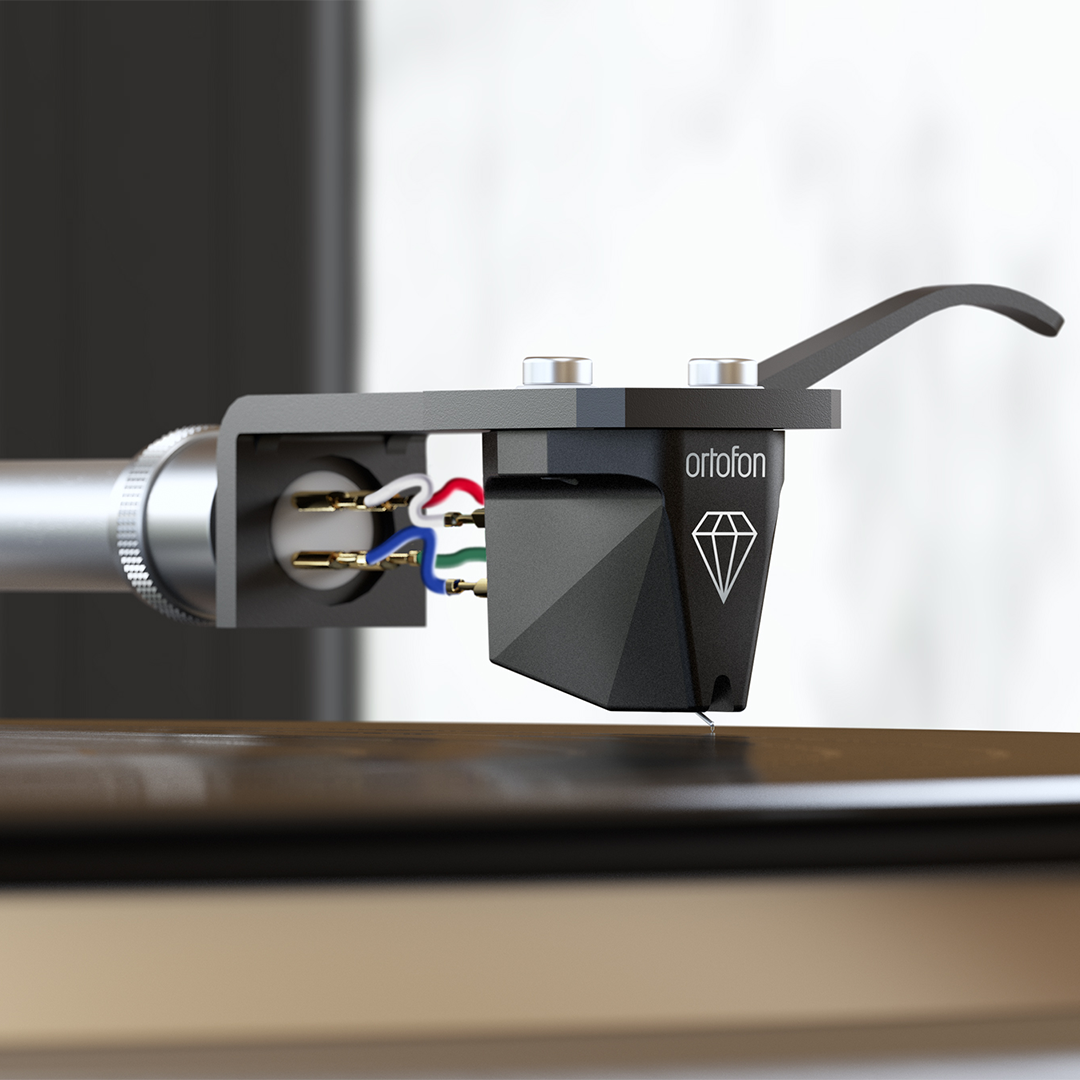
A moving coil cartridge flips the arrangement around. Instead of a magnet on the cantilever, you have a set of tiny coils mounted there, and they move within the field of a fixed magnet built into the body. The roles are reversed: the coils move and the magnet stays still.
That reversal is the whole story. Coils can be made far smaller and lighter than a magnet, so the part doing the moving has much less mass to it. Hold onto that point as well, because it is the real reason moving coil cartridges have the reputation they do; we will come back to that.
Here is the part that surprises most people. Moving coil came first. It is the original cartridge technology, not the newer one. Ortofon built the world's first moving coil cartridge back in 1948, and moving magnet was developed later as a simpler, more affordable alternative. So when moving coil gets talked about as the more exotic option, that is about how the two are positioned today, not about which one arrived first. If anything, it is the senior design.

The differences that actually matter
Most of what is written about these two cartridge types disappears into engineering detail. In practice, four things affect you as a buyer. Here they are in the order that shapes your decision.
Output level and phono stage compatibility
This is the big one, the difference everything else hangs off. A moving magnet cartridge produces a much stronger electrical signal than a moving coil cartridge. Moving coil cartridges have a very low output by comparison, so they need more amplification to reach a usable level.
That has a direct consequence. A moving magnet cartridge works with virtually any phono stage, whether it is built into your amplifier or sitting in a separate box. A moving coil cartridge needs a phono stage with a dedicated moving coil input, or a separate device called a step-up transformer to boost the signal first. Plug a typical low-output moving coil cartridge into a moving magnet input, and you will only get a very faint sound, if you get usable sound at all. This is the first thing to sort out before you buy, and it has its own section below because it carries that much weight.
Replacing the stylus
This is a real, everyday advantage of moving magnet, and one that rarely comes up until it is relevant. On most moving magnet cartridges, the stylus assembly slides out and a new one slides in. No tools, no specialist, nothing to post away. You can do it yourself at home in a minute or two when the stylus eventually wears.
Moving coil cartridges generally do not work that way. Because of how they are built, the whole cartridge usually has to go back to the manufacturer or a specialist to be retipped or replaced when the stylus wears. That costs more and takes longer. It is not a reason to avoid moving coil, but it is a real part of the ownership picture to factor in before you commit.
Sound character, and why the difference is real
Moving-coil cartridges are often described as more detailed or more revealing, and there is a solid reason for it, rather than just enthusiasm. Think back to what moves inside each design. In a moving-coil cartridge, the moving part is the coil, and the coil can be made lighter than a magnet. Less mass on the cantilever means it responds to fine detail in the groove more quickly and tracks the record with greater precision.
That is the real explanation. It is not magic, and it is not a matter of belief. It comes down to lower moving mass and more accurate tracking, both physical properties of the design. Be clear-eyed about the size of the difference though. It is audible but system-dependent, and it is not so large that it overrides everything else. Which leads straight to the last point.
Price and value
Moving magnet cartridges span an enormous range, from excellent affordable options up to high performers that rival far pricier gear. Moving coil cartridges generally start higher, and the very top end of cartridge design is almost entirely moving coil territory.
Here is the part people are rarely told plainly. A well-chosen moving magnet cartridge in a properly matched system will comfortably outperform a moving coil cartridge that has been poorly matched or stretched beyond its setup, especially once a gain or loading mismatch is in the picture. Spending more on a moving coil cartridge does not buy you better sound on its own. Spending it on the right cartridge for your system does.

Do you need a different phono stage?
For most people weighing up moving coil, this is the question that actually decides things, so it is the one to slow down on.
If you stay with a moving magnet cartridge, the answer is almost always no. Moving magnet cartridges work with practically any phono stage, including the one already built into many amplifiers and turntables. You can upgrade the cartridge and carry on with the phono stage you have.
Moving coil is where it gets important. Because the output is so much lower, a moving coil cartridge needs either a phono stage with a dedicated moving coil input, which adds the extra amplification, or a separate step-up transformer placed ahead of a moving magnet input. A standard moving magnet only input cannot supply enough gain on its own, and the result will be quiet and noisy. This is the most common and most expensive mistake we see: buying the cartridge first, then discovering the phono stage cannot drive it.
A concrete example helps. The Pro-Ject Phono Box S2 is a switchable phono stage with both moving magnet and moving coil inputs and several gain settings, so it can be matched to a wide range of cartridges. Buy one and you have a phono stage that carries you from a moving magnet cartridge now through to most moving coil cartridges later, with nothing else to change. The Rega Fono MM MK5 takes the other approach. It is a moving magnet only phono stage, an excellent match for moving magnet cartridges like the Ortofon 2M range and Rega's own, but it will not support a moving coil cartridge later on. Neither is better. They are built for different paths, and the point is to know which path you are on before you choose, because a moving magnet only phono stage has to be replaced rather than simply paired with a new cartridge if you move to moving coil down the track.
One exception is worth flagging. A handful of moving coil cartridges are made as high-output designs, with enough signal to run into a standard moving magnet input the way a moving magnet cartridge would. They can be a neat solution, but they are the exception rather than the rule, so never assume a moving coil cartridge is high output. Check before you buy, or ask us and we will check for you.

So which should you choose?
There is no single right answer, which is why a ranked list of best cartridges would not help you. The right choice depends on your system and what you want from it. A few plain questions will get you most of the way there.
Are you upgrading an existing setup or starting fresh? If you already have a moving magnet cartridge and a phono stage that suits it, a better moving magnet cartridge is often the simplest and most rewarding step, with nothing else to change.
Does your phono stage support moving coil? If not, factor in the cost of a moving coil capable phono stage or a step-up transformer alongside the cartridge, because the cartridge price on its own is not the full picture.
Is your turntable and tonearm a sensible match for moving coil? More on that just below, but give it a thought before you commit.
How much do you want to spend, and on what? The money often goes further on the right cartridge for your system than on the most expensive one you can stretch to.
Our position, after helping a lot of people through this exact decision, is straightforward. Most vinyl collectors are very well served by a quality moving magnet cartridge. It is not a budget compromise, it is an excellent way to hear your records. Moving to moving coil is a real and rewarding upgrade for the right system, but it is a deliberate step rather than an automatic better. Treat it as a considered decision and you will be happier with where you land.

A quick word on your turntable and tonearm
One last thing before you decide, and it is a short one. The cartridge does not live in isolation. It has to suit the tonearm and turntable it sits on, and some decks and arms are a better match for moving coil cartridges than others. Certain combinations of tonearm and cartridge simply do not pair well, and the result can be disappointing tracking even with a capable cartridge.
You do not need to learn the engineering behind this to get it right. The short version is that moving coil is not automatically a safe drop-in on every turntable, and it is the kind of detail that is far easier to check before you buy than to discover afterwards. If you tell us what you are running, we can tell you in a minute whether moving coil makes sense on your setup or whether your money is better spent elsewhere. That is exactly the sort of question we are here for.

Frequently asked questions
Can I use a moving coil cartridge with my current amplifier?
Only if your amplifier or phono stage has a moving coil input. Many amplifiers with a built-in phono stage are moving magnet only, which will not drive a low-output moving coil cartridge properly. Check whether your phono input is labelled for moving coil, or whether you have a separate phono stage with a moving coil setting. If not, you would need a moving coil capable phono stage or a step-up transformer to make the cartridge work as intended.
Is moving coil always better than moving magnet?
No. Moving coil can offer more detail and more precise tracking thanks to its lower moving mass, but that advantage only shows up when the cartridge is well matched to the rest of your system. A quality moving magnet cartridge in a properly set up system will beat a moving coil cartridge that has been poorly matched or pushed beyond its setup. The right choice depends on your system, not on which type sits higher on a spec sheet.
Can I upgrade my moving magnet cartridge later?
Yes, and with some moving magnet cartridges it is remarkably easy. On ranges like the Ortofon 2M, several models share the same cartridge body, so you can move up by swapping only the stylus assembly rather than replacing the whole cartridge. Beyond that, you can change to a different cartridge entirely whenever you like, as long as it suits your tonearm and phono stage.
How do I know if my phono stage supports moving coil?
Look for a moving coil or MC setting on the phono stage itself, usually a switch or a labelled input separate from the moving magnet one. If a phono stage only mentions moving magnet, or has no switch at all, treat it as moving magnet only. If you are not sure what you have, send us the make and model and we will tell you exactly what it supports.

Talk it through before you buy
Choosing between moving magnet and moving coil comes down to your system, your records, and where you want to take both. Once the pieces fit together in your head, the right answer for you usually settles into view. For a lot of collectors it turns out to be a good moving magnet cartridge doing everything they wanted, with the door open to moving coil later if the urge arrives.
Wherever you land, you do not have to work it out alone. Tell us what you are running and what you are after, and we will point you to the cartridge that suits it. Getting it right the first time is better for you and better for us, and it is the part of this we enjoy most.