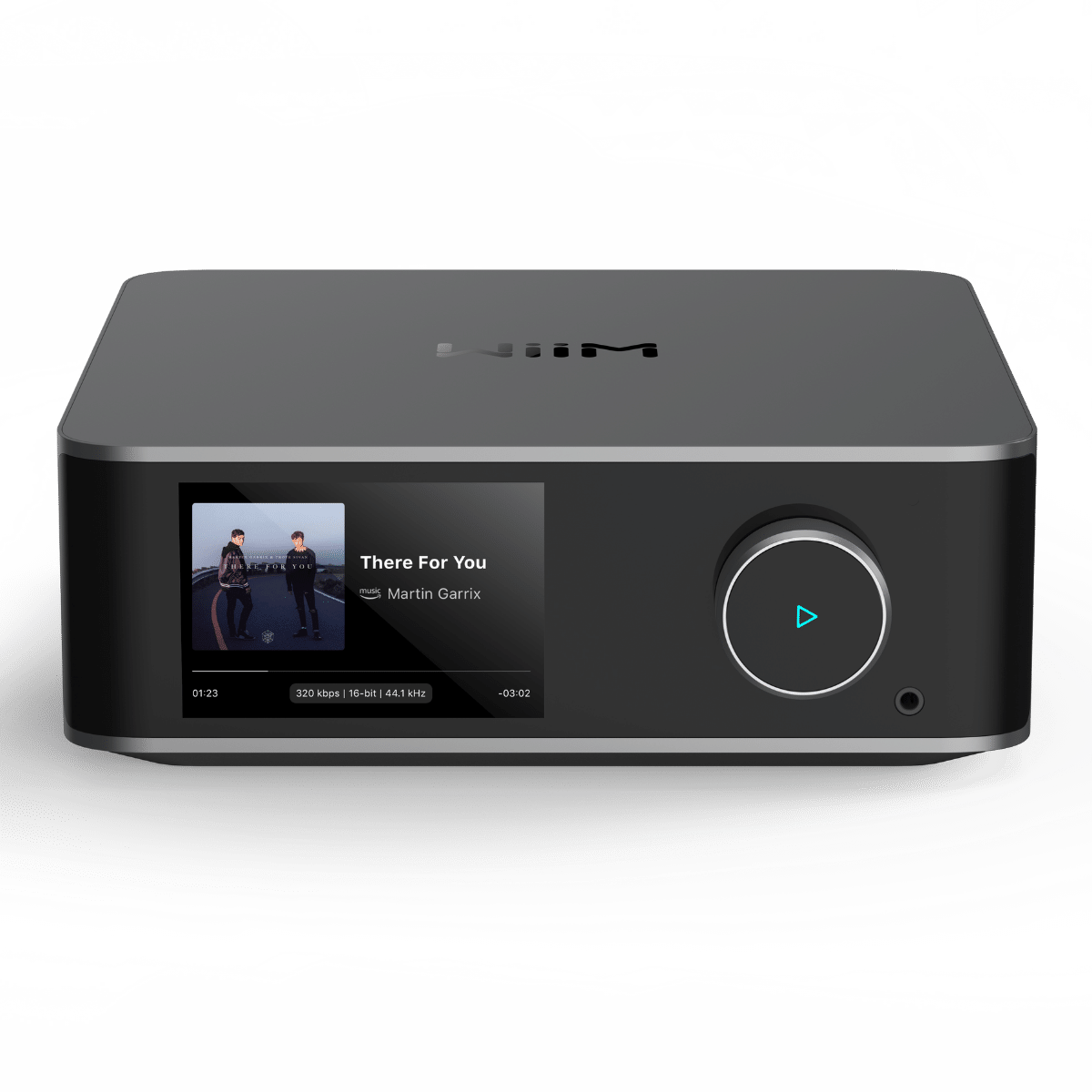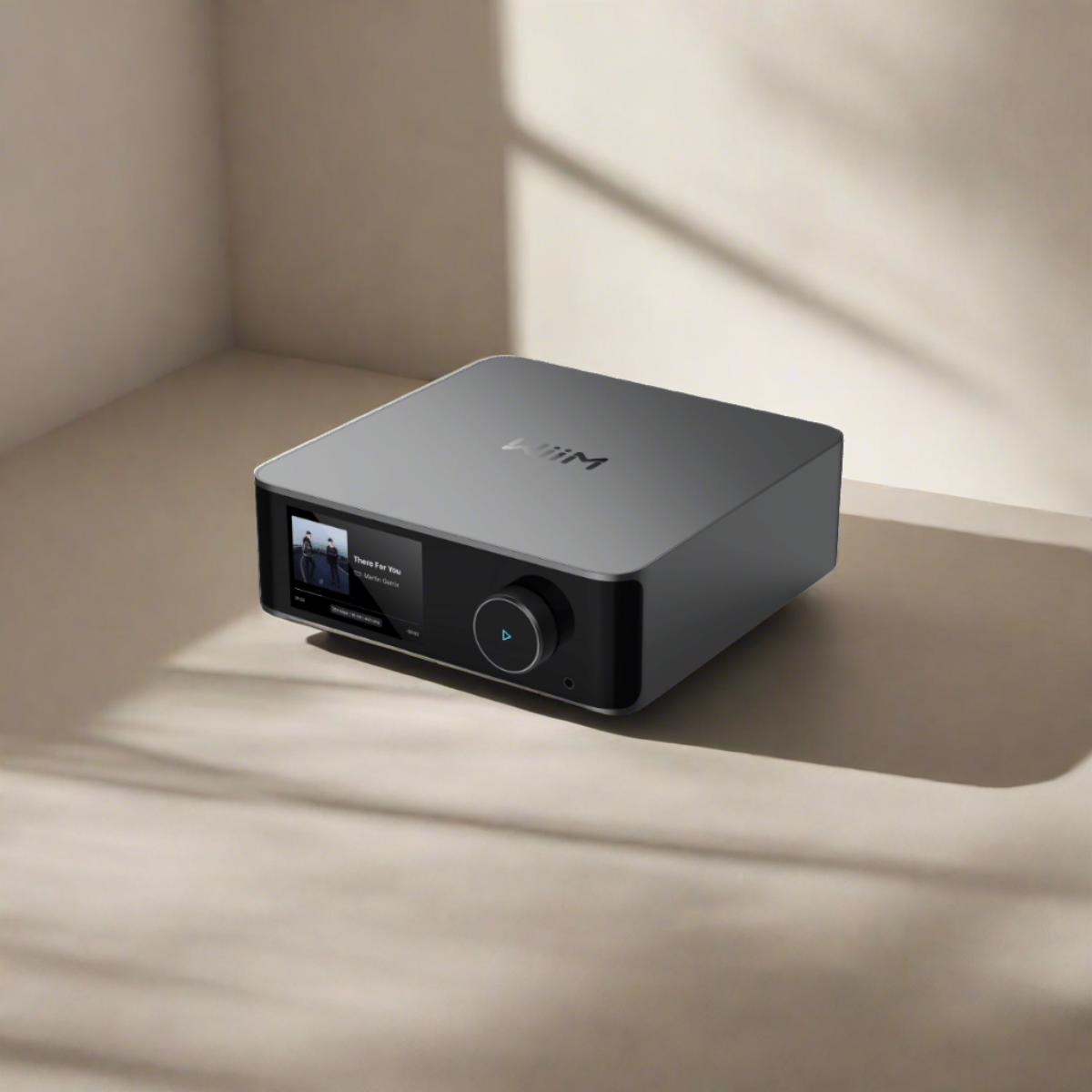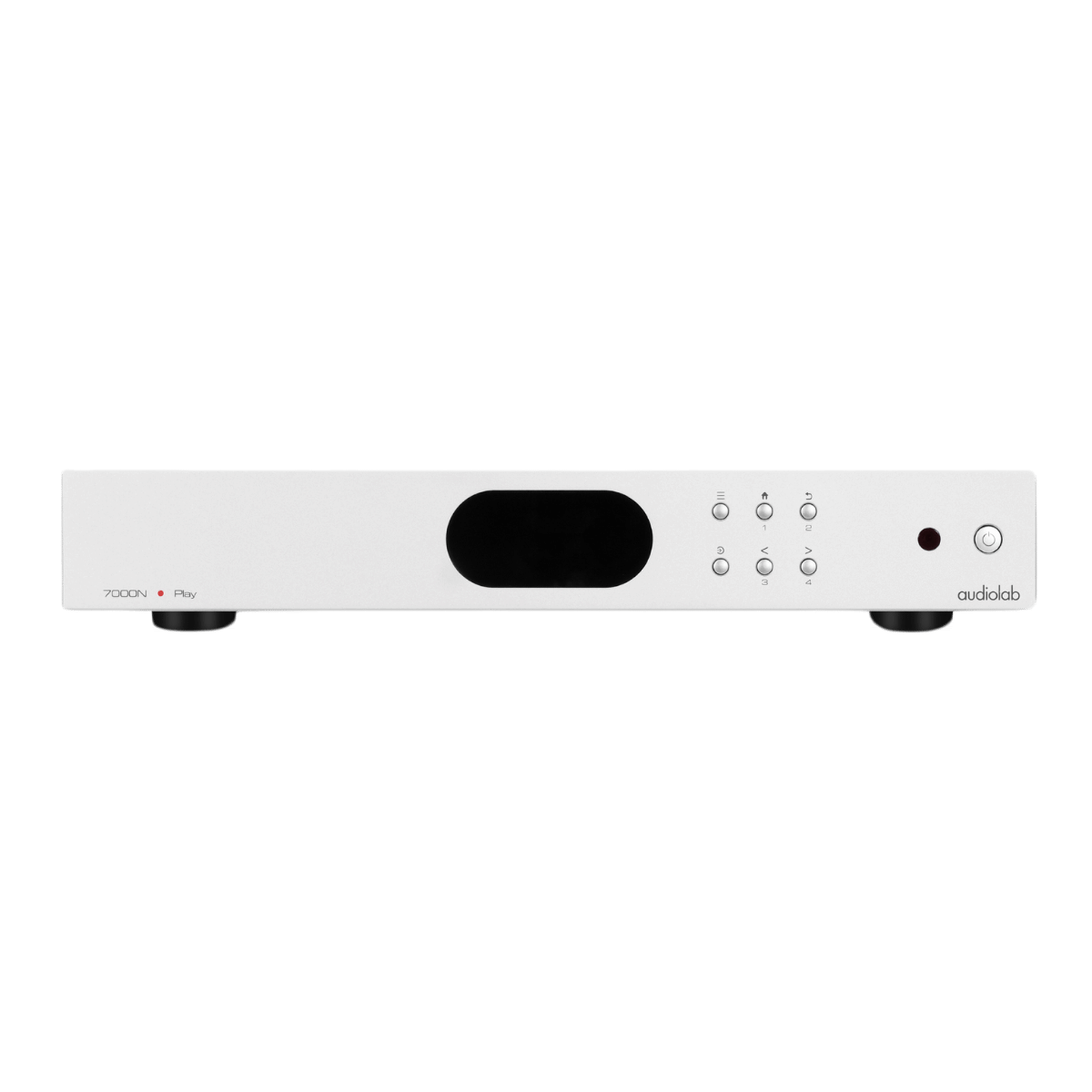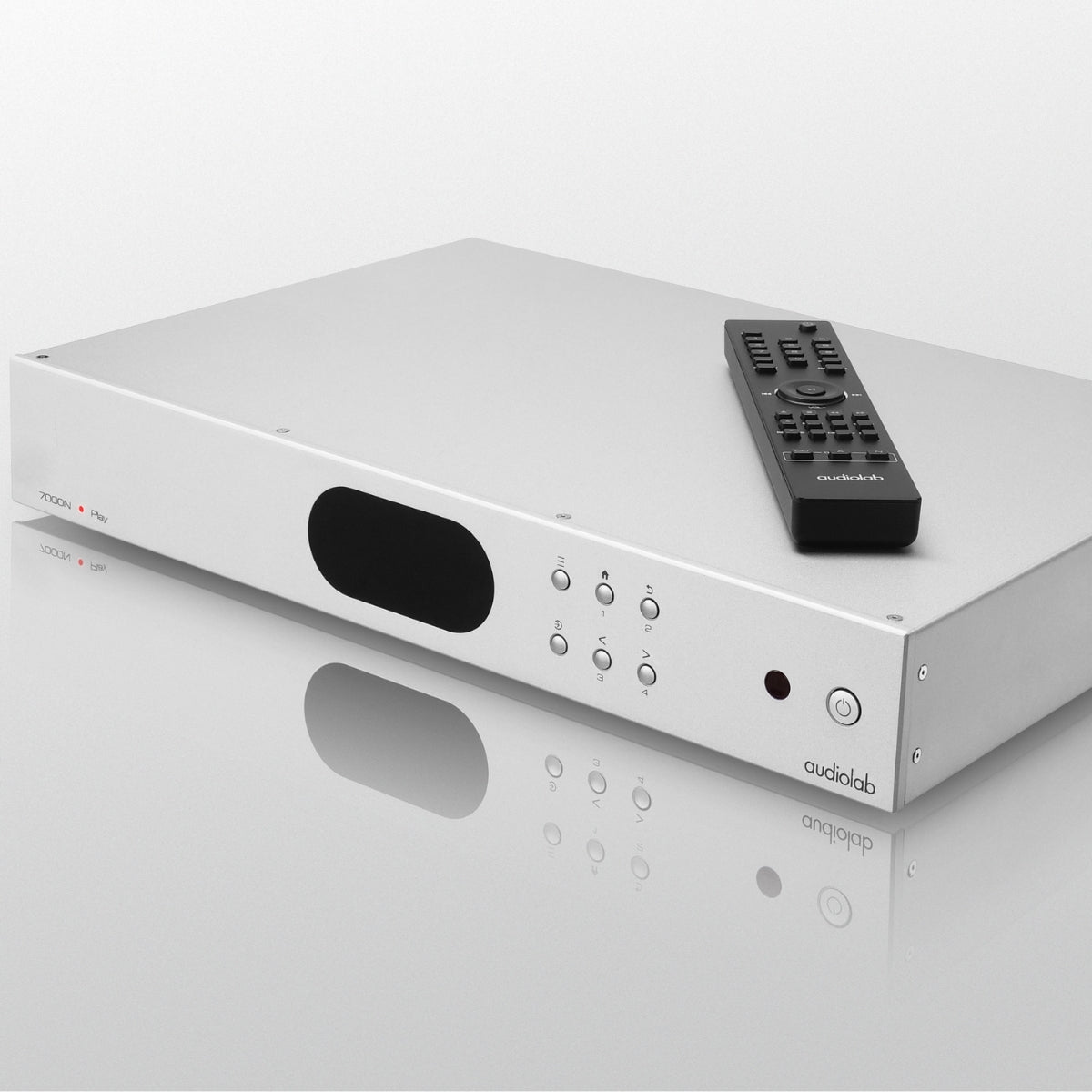




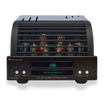
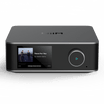
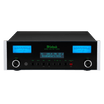











If you've invested in quality speakers and a decent amplifier, you've already done the hard work of building a proper Hi-Fi system. But there's a good chance you're missing out on one of the most significant developments in home audio over the past decade: network music streaming.
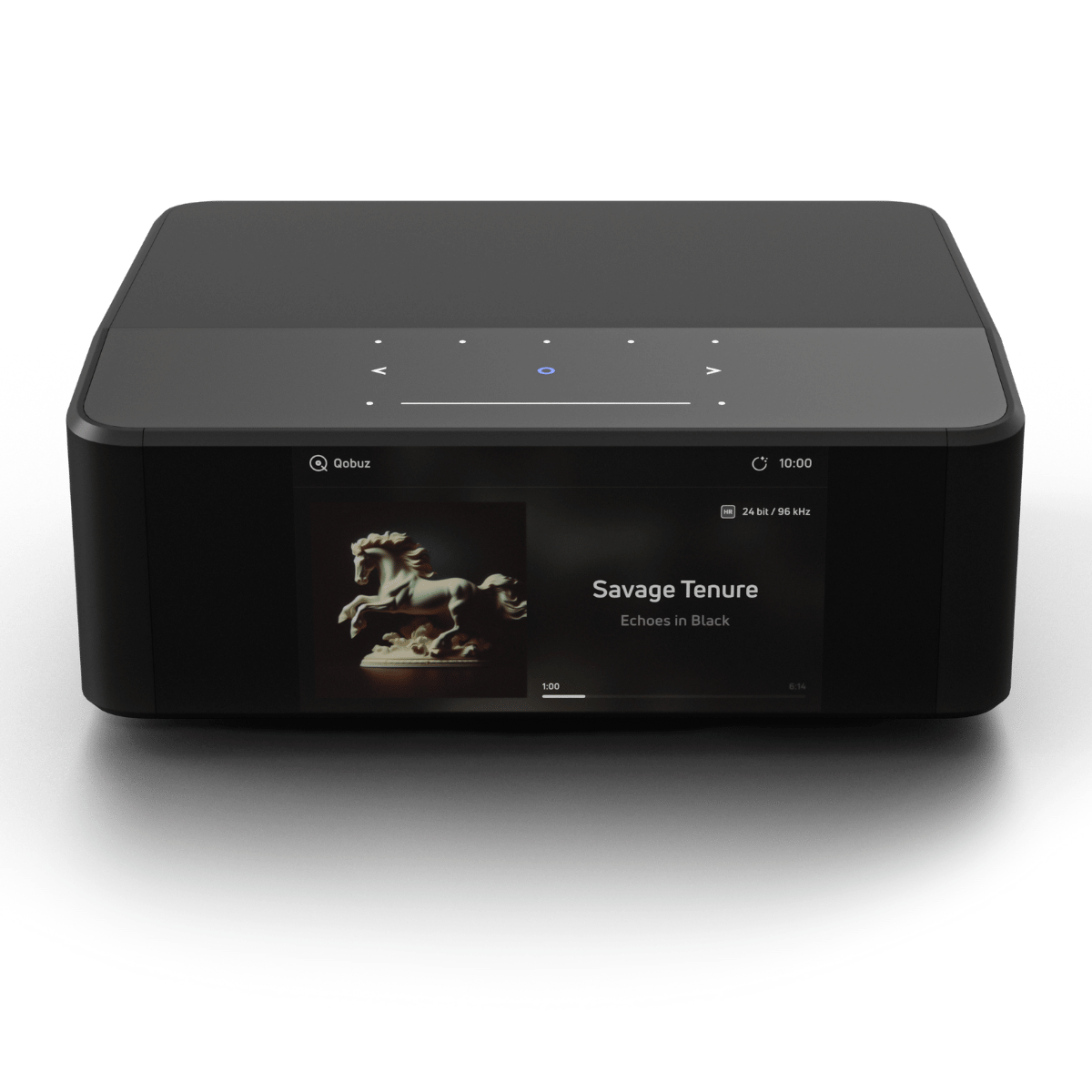
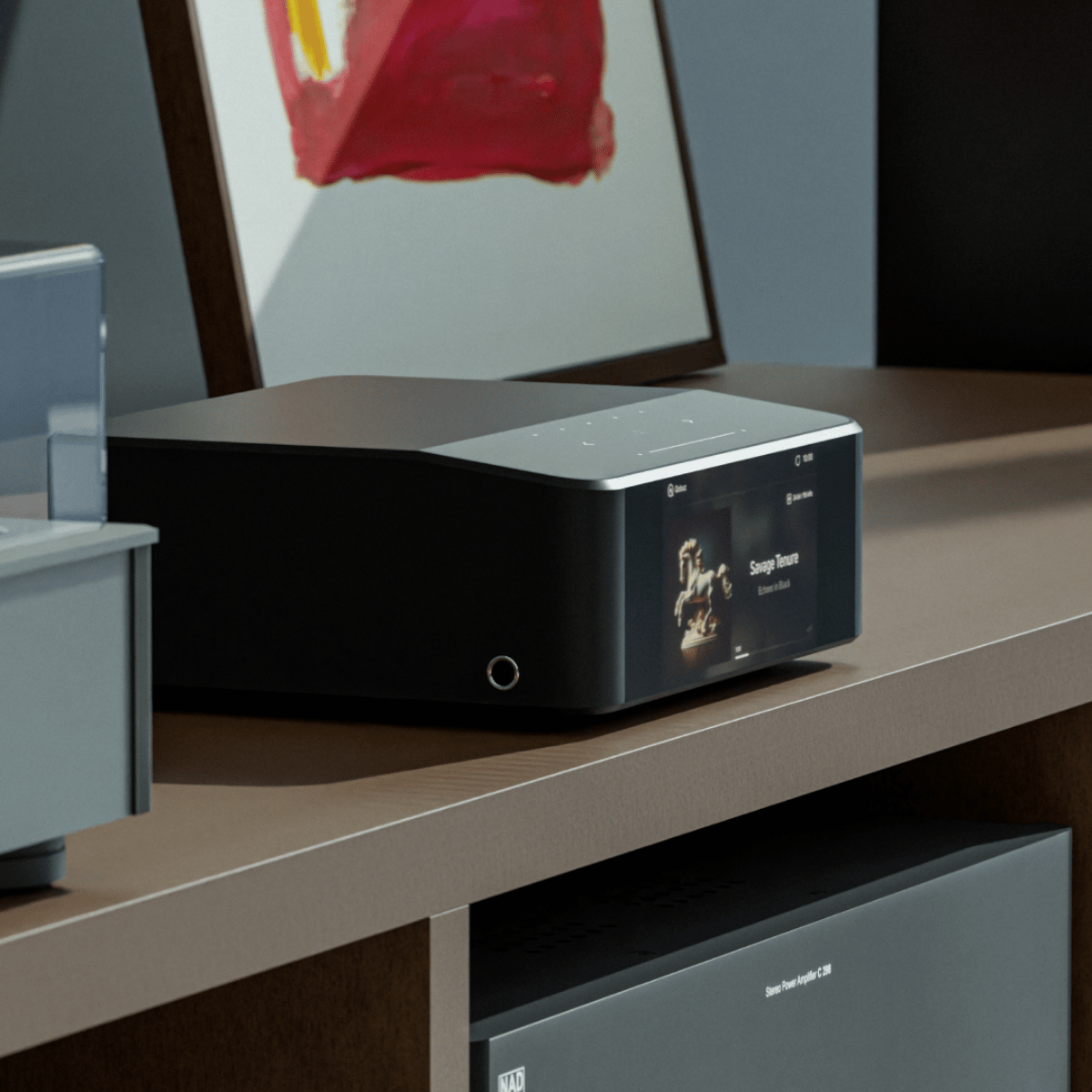
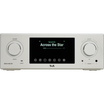
A network music streamer is a dedicated device that connects your Hi-Fi system to the internet, giving you access to millions of tracks from services like Spotify, Tidal, and Qobuz - as well as your own digital music library. Where Bluetooth adapters and smart speakers treat audio as a convenience, network streamers are built specifically for high-fidelity reproduction, held to the same standard as a quality CD player or turntable.
The real question isn't whether streaming belongs in a serious Hi-Fi system. It does. The question is whether a dedicated device is worth it, or if your phone and a Bluetooth connection are good enough.
Do You Actually Need a Network Music Streamer?
Let's start with the most important question: is this even for you?
You'll probably benefit from a network streamer if:
- You've noticed your speakers sound noticeably better when playing CDs or vinyl compared to Bluetooth from your phone
- You're frustrated by Bluetooth dropouts when your phone rings or you move to another room
- You want to access Spotify, Tidal, or Qobuz through your main Hi-Fi system without quality compromises
- You have a collection of digital music files gathering dust on a hard drive
- You've built a system around quality speakers and amplification, but your digital sources aren't keeping up
You probably don't need one if:
- Your amplifier already has built-in streaming that you're genuinely happy with
- You're perfectly satisfied with how Bluetooth sounds through your system
- You exclusively listen to vinyl or CDs and have zero interest in streaming services
- You're working with entry-level speakers where the difference would be minimal
Still reading? Then let's talk about what these devices actually do and whether the improvement justifies the investment.
What is a Network Music Streamer?
A network music streamer is a Hi-Fi component that retrieves digital audio files from the internet or your home network and converts them into a signal your amplifier can use. Think of it as a bridge between the digital world of streaming services and your speakers.
Here's the crucial difference from Bluetooth: when you stream via Bluetooth, your phone does all the work (finding the music, processing it, compressing it to fit through Bluetooth's limited bandwidth, then sending it to your system). Your phone's involved in every step, which is why the call that interrupts your music also kills the sound.
A network streamer works differently. Your phone becomes just a remote control. The streamer itself connects directly to Spotify, Tidal, or your music files, does its own processing using components designed for audio quality rather than battery life, and sends a full-quality signal to your amplifier. Start a track, put your phone in another room, and the music continues uninterrupted.
Most network streamers include a built-in DAC (digital-to-analogue converter), the component that transforms digital audio into the electrical signal that drives your speakers. The quality of this conversion is one reason why streamers at different price points can sound noticeably different even when playing the same file.
How Does a Network Streamer Work?
The signal path is straightforward: the streamer connects to your home network via Wi-Fi or Ethernet, accesses music from streaming services or network storage, processes the digital audio, converts it to an analogue signal (if it has a built-in DAC), and sends it to your amplifier.
You control everything through an app on your phone or tablet (browsing streaming services, selecting tracks, creating playlists, adjusting settings). But remember: the app is just sending instructions. The actual music flows directly from the streaming service to the device, not through your phone.
Ethernet vs Wi-Fi: Wired Ethernet connections generally provide more stability and can handle higher-resolution files without dropouts. Modern Wi-Fi is perfectly adequate for most listening, but if you're planning to stream high-resolution audio or your Wi-Fi is temperamental, running an Ethernet cable is worth considering.

What You Can Actually Do with a Network Streamer
Access Streaming Services Without Compromises
The primary function is giving you direct access to streaming platforms - Spotify, Tidal, Qobuz, and Deezer are supported across most of the range, with Apple Music available via AirPlay 2 on compatible models - through your main Hi-Fi system. Worth checking that your preferred service is supported before buying, as not all streamers support all platforms.
There's a difference between native integration and casting. Native integration means the streaming service appears directly in the streamer's control app with full access to playlists, recommendations, and search. Casting (like Spotify Connect) means you use the streaming service's own app and send audio to the streamer. Both work fine; native integration tends to be slightly more seamless.
Higher-end streamers support high-resolution audio formats, letting you access lossless streaming tiers from services like Tidal and Qobuz. Whether you'll hear the difference depends on your system and your ears, but if you've invested in quality speakers and amplification, you've got the setup to find out.
Play Your Own Music Collection
If you've spent years ripping CDs or downloading high-resolution files, a network streamer can access this library from a NAS drive (network storage) or even a USB stick plugged directly into the device.
This is particularly valuable for music that isn't on streaming services (rare recordings, live bootlegs, or albums that have disappeared from streaming catalogues). The streamer integrates your personal library with streaming services in a single browsing experience.
Multi-Room Audio (If That's Your Thing)
Many network streamers support multi-room systems, allowing you to play different music in different rooms or sync everything for whole-home audio. Systems like Sonos, Bluesound's BluOS, and others create ecosystems where multiple streamers communicate.
If you're only interested in one listening room, you can safely skip this section. If whole-home audio appeals, just know that you're often committing to a particular ecosystem (different brands' multi-room systems don't always work together).
Handle Any Audio Format
Network streamers can process a wide range of digital audio formats (FLAC, DSD, WAV, ALAC) at their full resolution, which means you're not limited to the compressed audio that Bluetooth connections impose.
The ability to play high-resolution files doesn't automatically mean better sound. The quality of the recording and mastering matters far more than the technical specifications. But having a streamer that can handle whatever format you encounter means you're not artificially limiting your options.
Network Streamer vs Bluetooth: The Practical Difference
Bluetooth compresses audio to fit through its bandwidth. Even newer, higher-quality Bluetooth codecs can't match the uncompressed audio a network streamer delivers over Wi-Fi or Ethernet.
Beyond sound quality, network streaming is more stable. Bluetooth drops when you move your phone to another room or when someone calls. Network streamers maintain their connection regardless of what your phone is doing.
That said, Bluetooth is perfectly adequate for casual listening, and the convenience is undeniable. If you're happy with how Bluetooth sounds, you might not need a network streamer. But if you've noticed your speakers sound noticeably better with CDs or vinyl compared to Bluetooth streaming, a network streamer will close that gap.
Network Streamers vs CD Players
CD players and network streamers serve the same fundamental purpose: they're digital sources for your Hi-Fi system. One reads physical discs, the other accesses files over a network.
There's no inherent sound quality advantage to either format. A well-designed CD player and a well-designed network streamer can both deliver excellent audio. The choice comes down to how you prefer to access your music and whether you value the tangibility of physical media or the convenience of instant access to millions of tracks.
Many people find room for both. CDs offer a focused, intentional listening experience and a degree of ownership that streaming can't match. Streaming offers convenience and discovery that physical media can't provide.
Network Streamers vs Streaming Amplifiers
Some amplifiers now include network streaming built in. These streaming amplifiers combine the functions of a streamer, DAC, and amplifier in a single box, which suits a straightforward build well if you're starting from nothing.
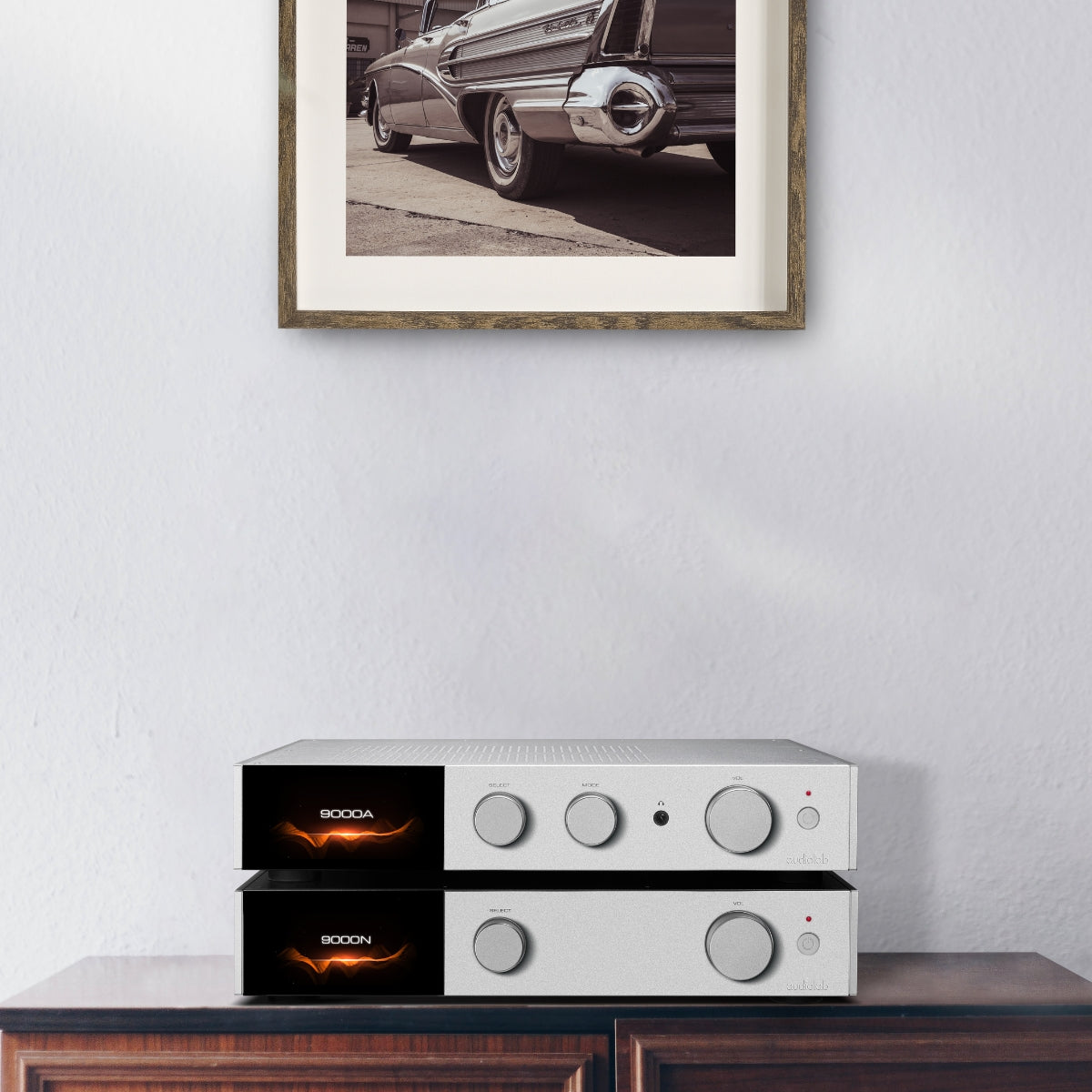
The advantage of a separate network streamer is flexibility. If you want to upgrade your amplifier or your digital source in the future, you can do so independently. All-in-one systems are more convenient but less modular. Neither approach is inherently better (it depends on your priorities and how you expect your system to evolve).

What to Look for When Choosing a Network Streamer
Sound Quality and DAC Performance
The quality of the built-in DAC varies significantly between streamers. Entry-level models use competent DAC chips that do the job well. Higher-end streamers invest in better digital-to-analogue conversion, which can result in noticeably improved sound.
Some streamers offer digital outputs (optical, coaxial, or USB) that let you bypass the internal DAC and use an external one. This gives you the option to upgrade your DAC separately in the future.
Streaming Service Compatibility
Not all streamers support all streaming services. Before buying, verify that your preferred platforms are supported. Native integration generally provides a better experience than relying solely on casting, though both work well.
Connectivity Options
Consider what connections you'll need. Digital outputs give you the flexibility to use external DACs. Analogue outputs (RCA or XLR) connect directly to your amplifier. Network connectivity options (Wi-Fi vs Ethernet) affect stability and the maximum resolution you can stream without dropouts.
User Interface and App Quality
You'll interact with your streamer primarily through its control app, so the quality of that software matters more than you might expect. A well-designed app makes browsing your music library a pleasure. A poorly designed one makes every listening session frustrating.
If possible, download the control app for any streamer you're considering and explore the interface before buying. Some manufacturers offer demo modes that let you see how the app works without owning the hardware.
Budget Considerations
Network streamers range from under $200 to well over $10,000+, a span that reflects how different the requirements are at each end of the market.
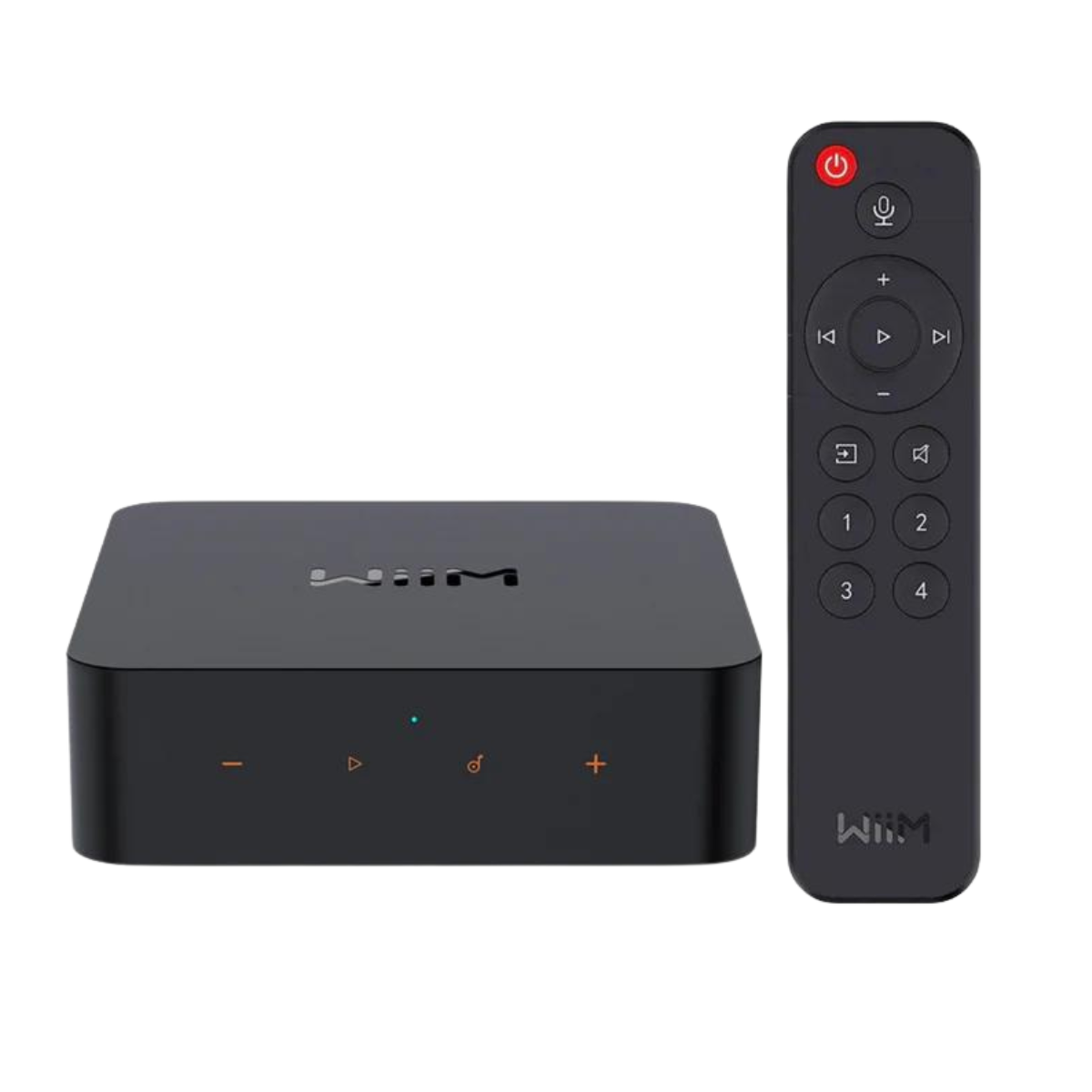
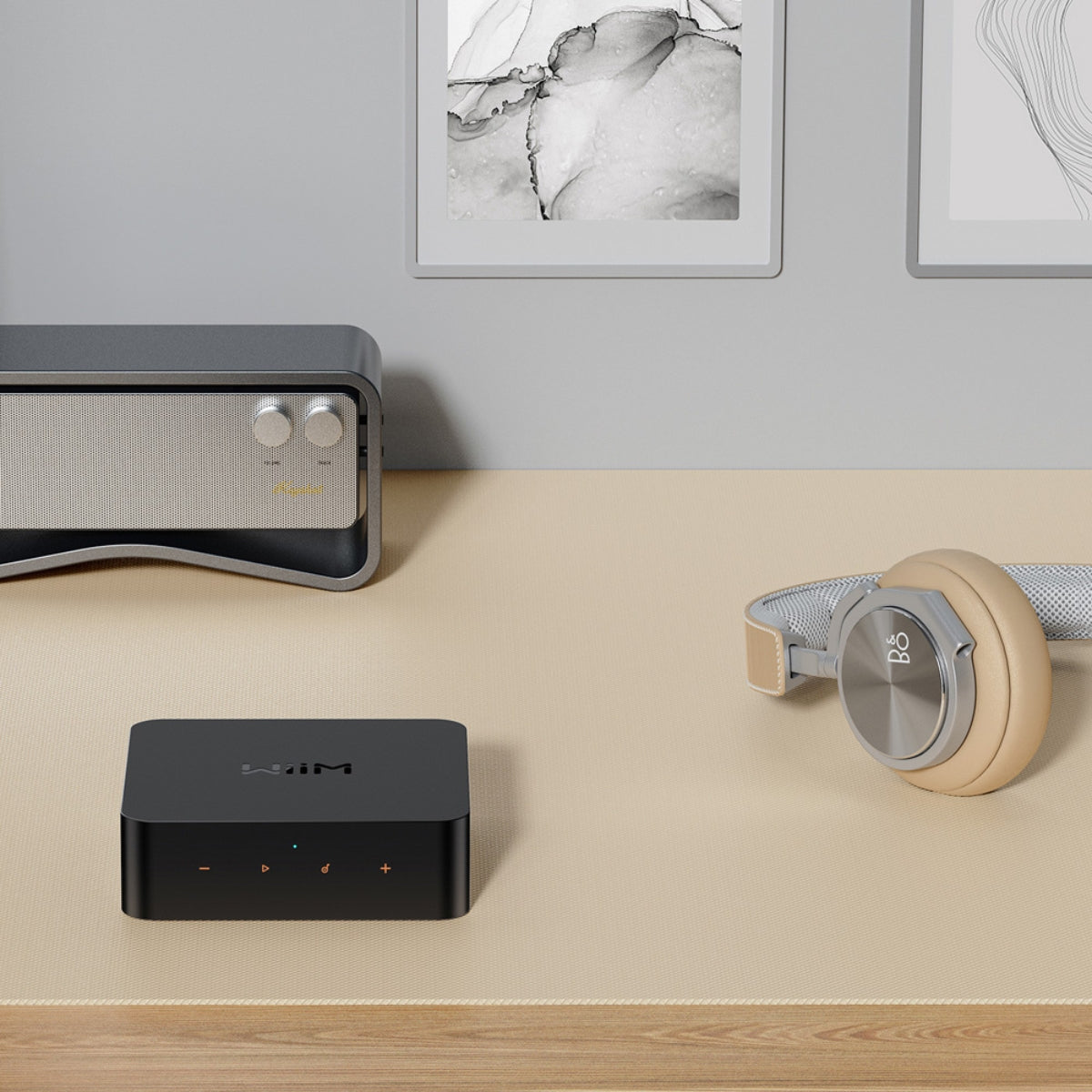
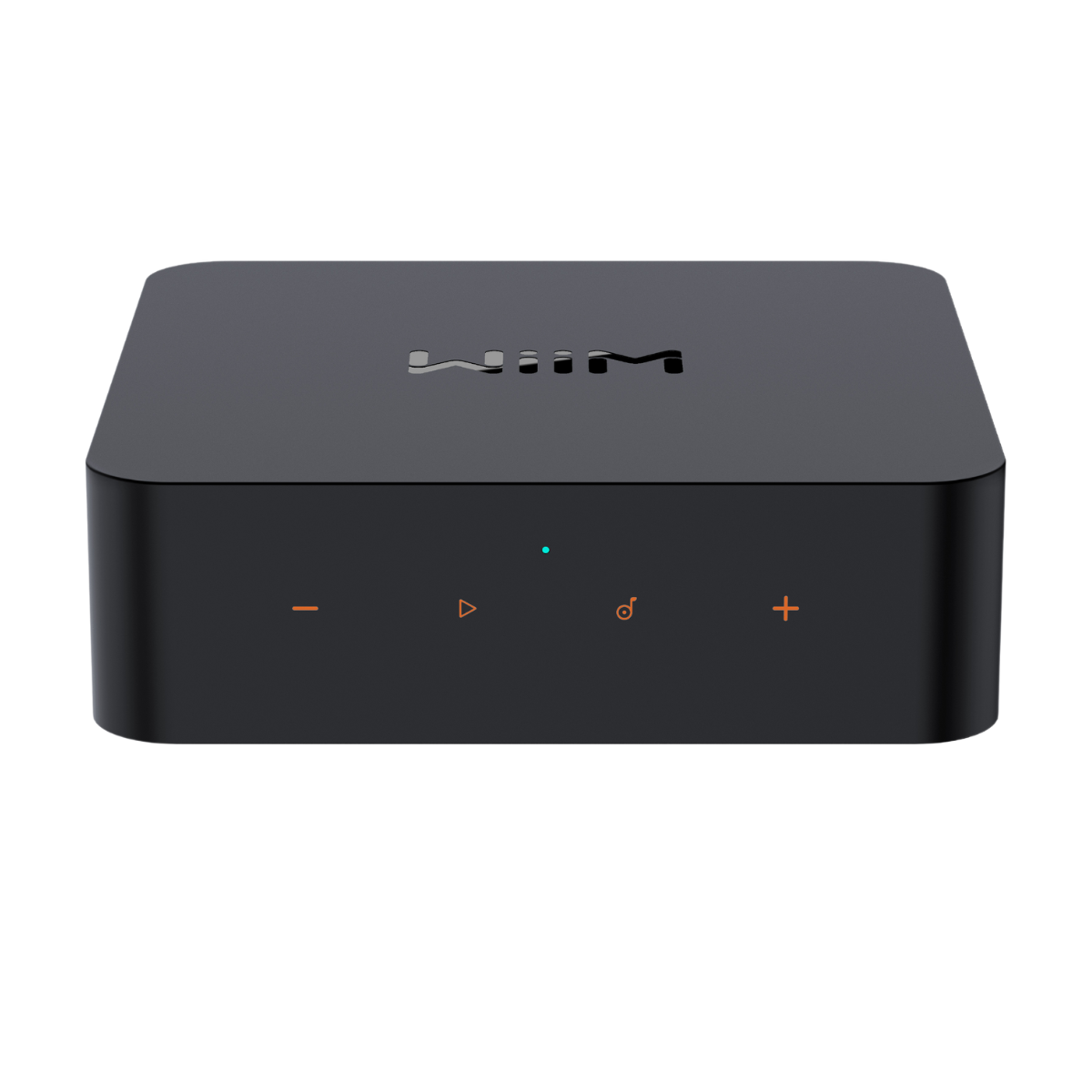
Entry-level options like the WiiM Pro and WiiM Pro Plus offer capable sound quality and comprehensive support for streaming services at prices that make the upgrade from Bluetooth an easy decision. For systems built around speakers in the $500 to $1,500 range, these represent excellent starting points.
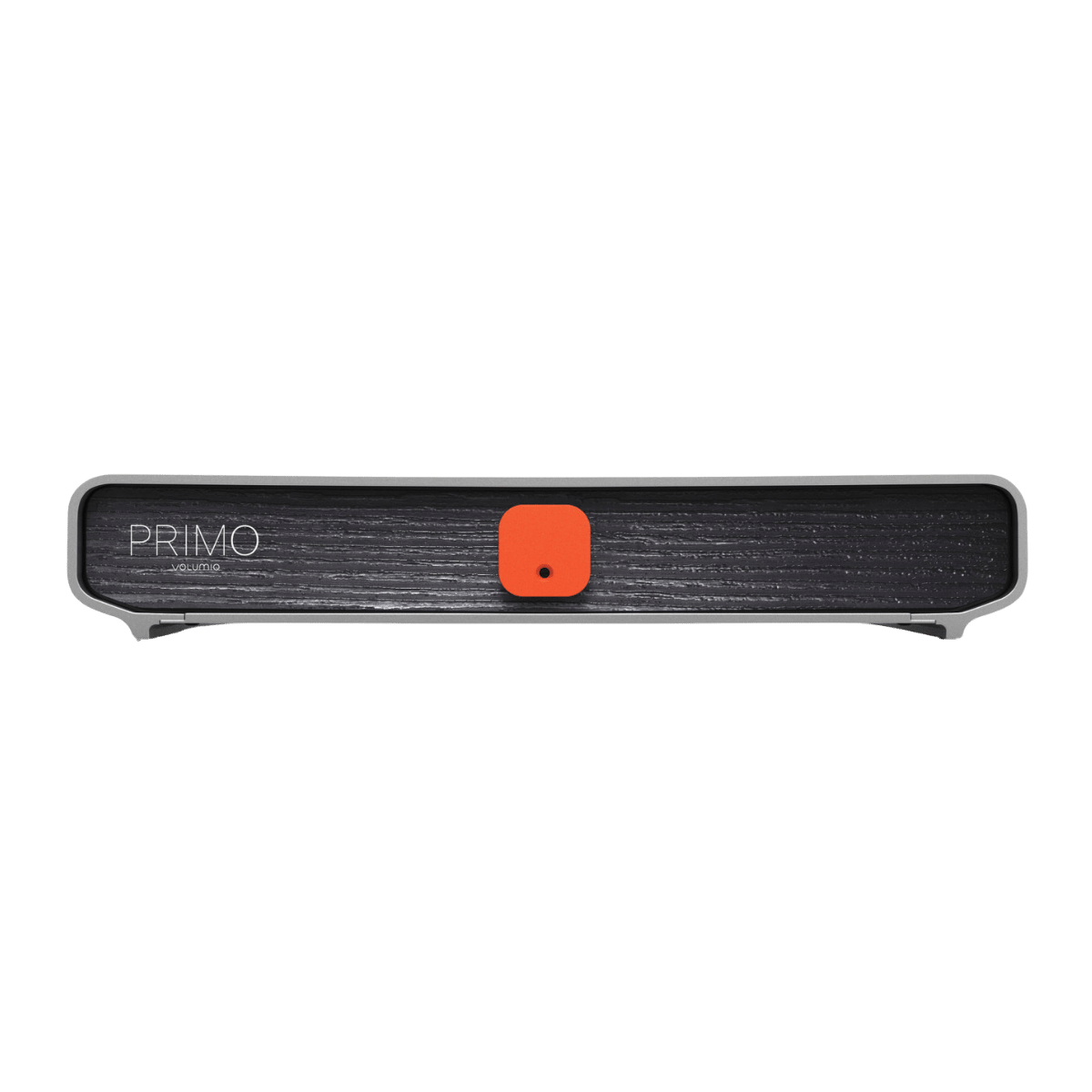
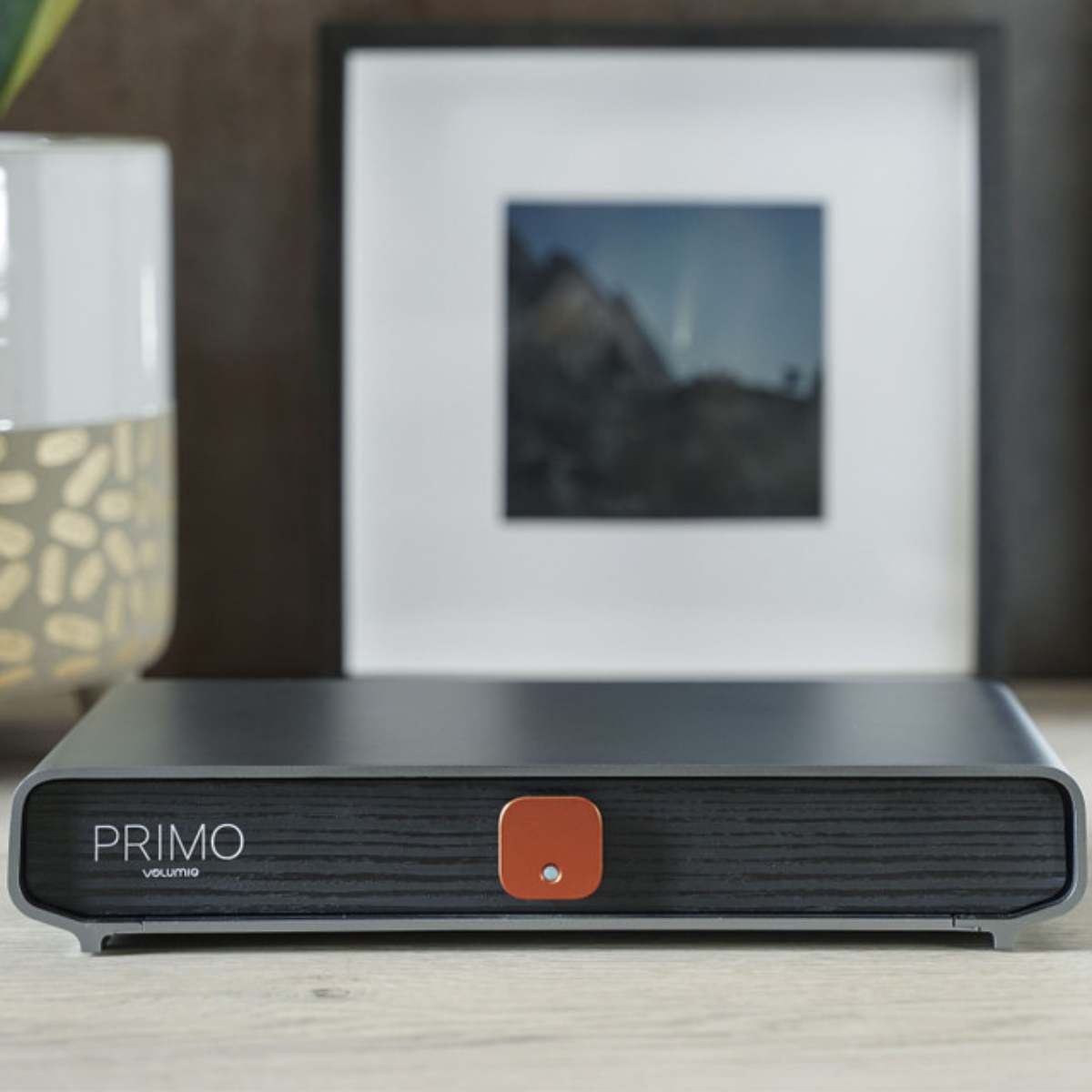
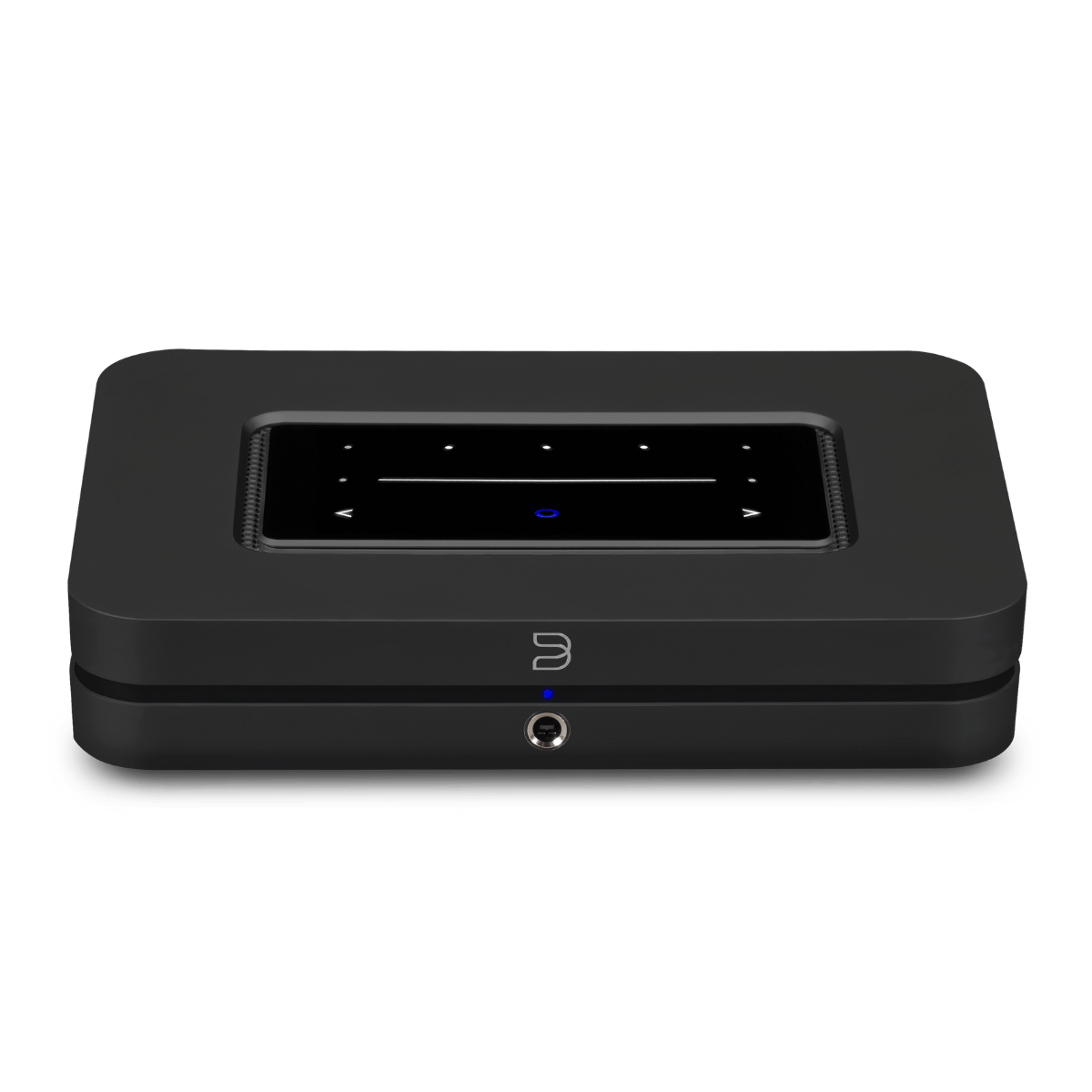
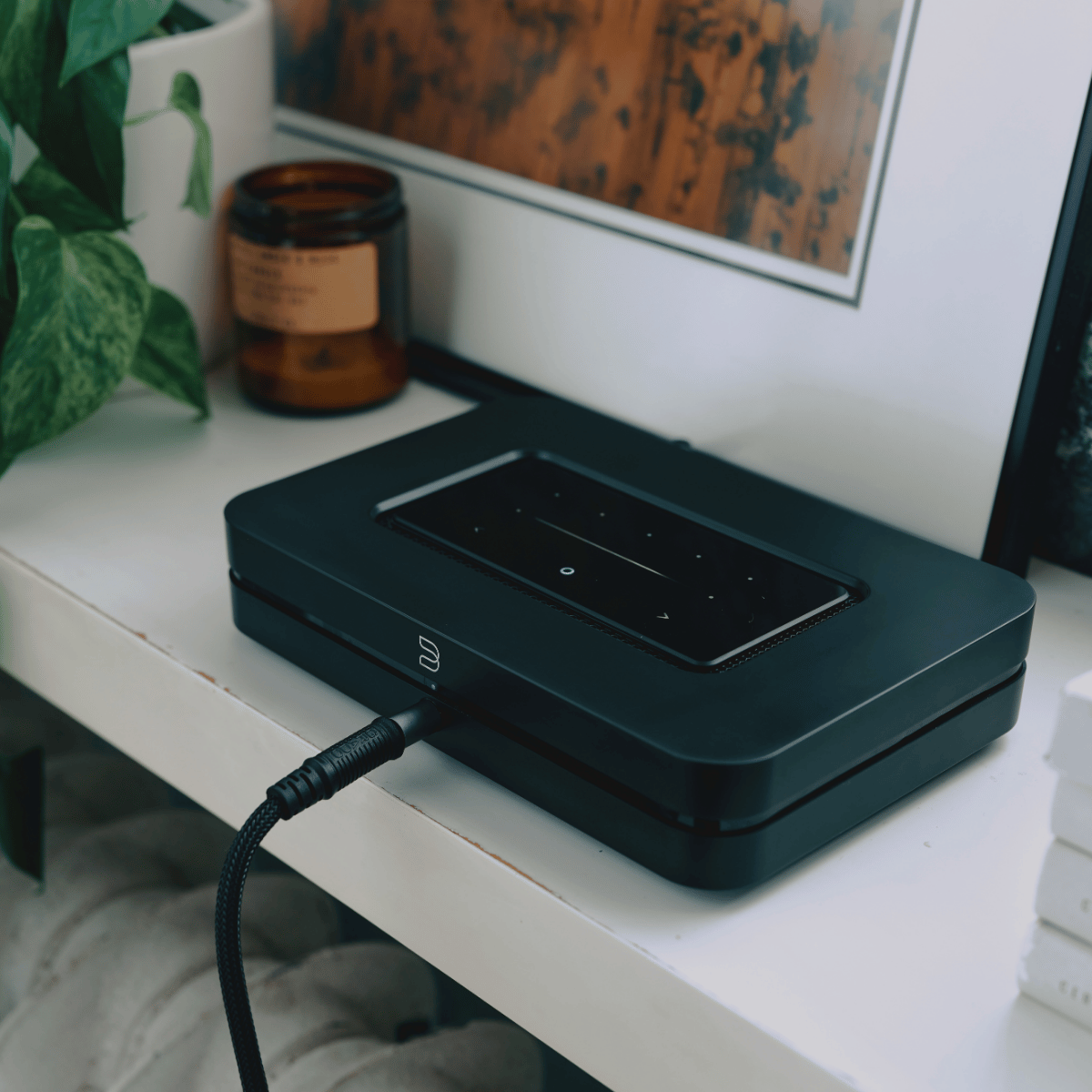
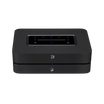
Mid-range streamers - broadly $500 to $2,000 - offer better DACs, more robust construction, and additional features. The Wiim Ultra, Audiolab 7000N, Volumio Primo, Bluesound Node and Node Icon all sit in this territory. These make sense when paired with quality speakers and amplification, where you'll actually hear the improvement.
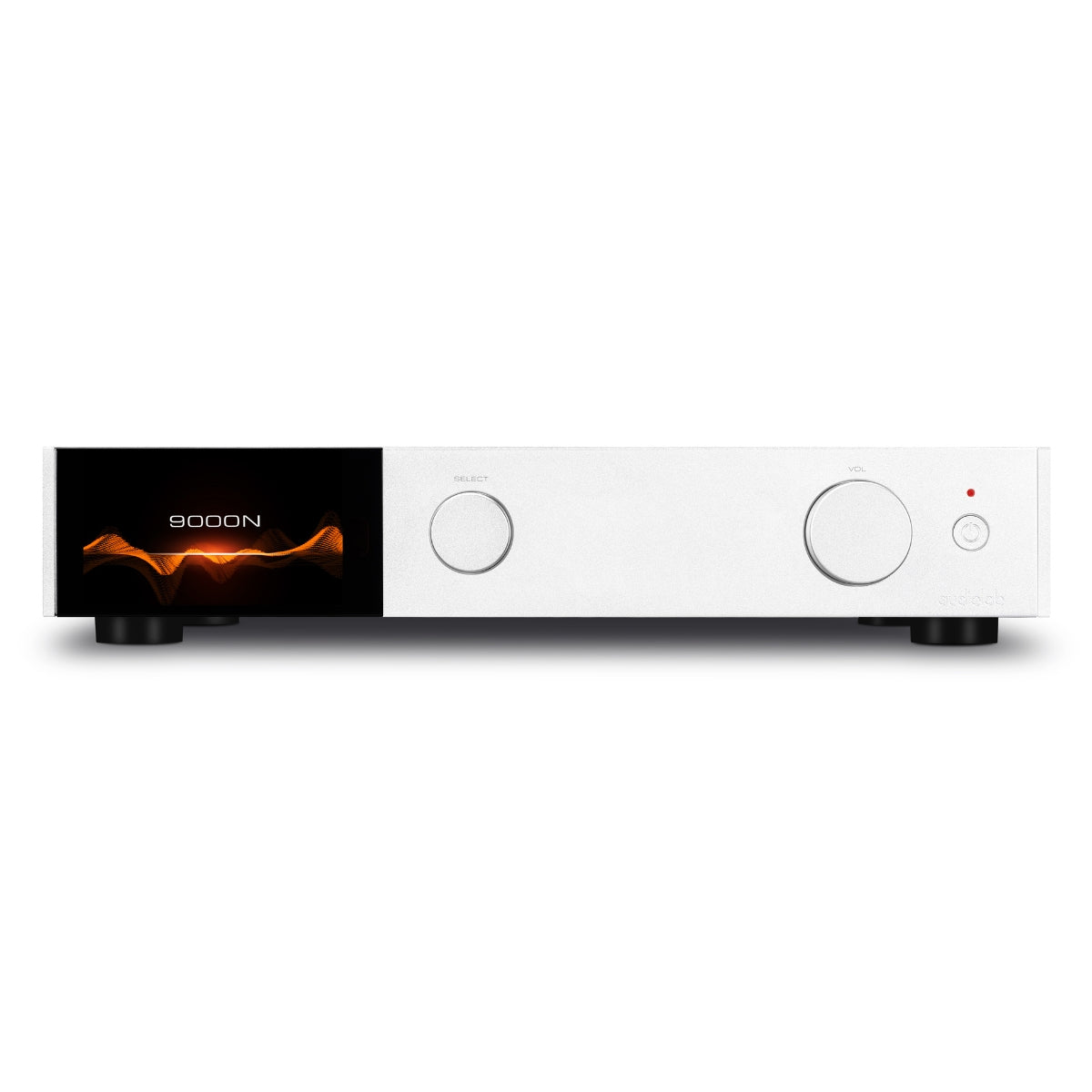
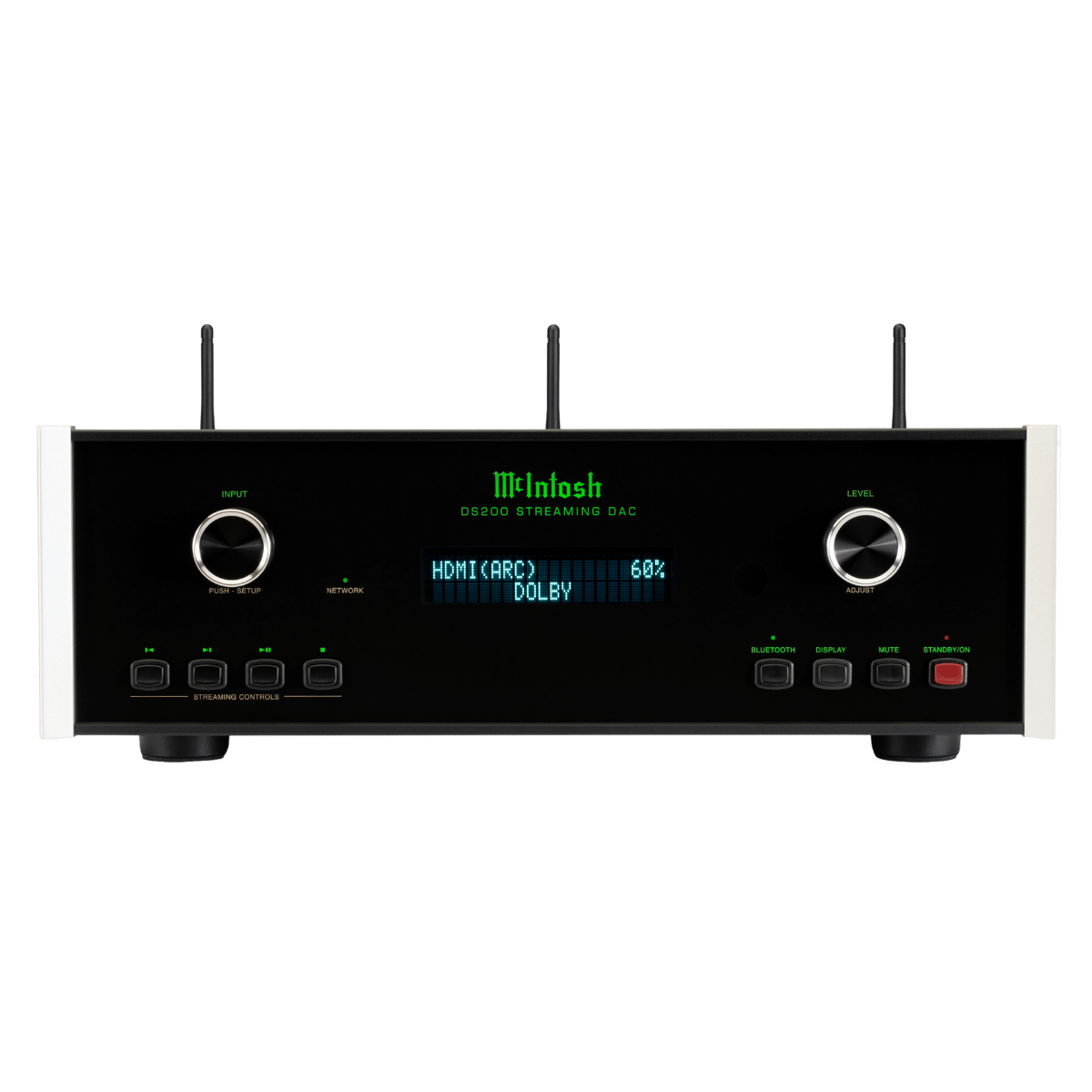
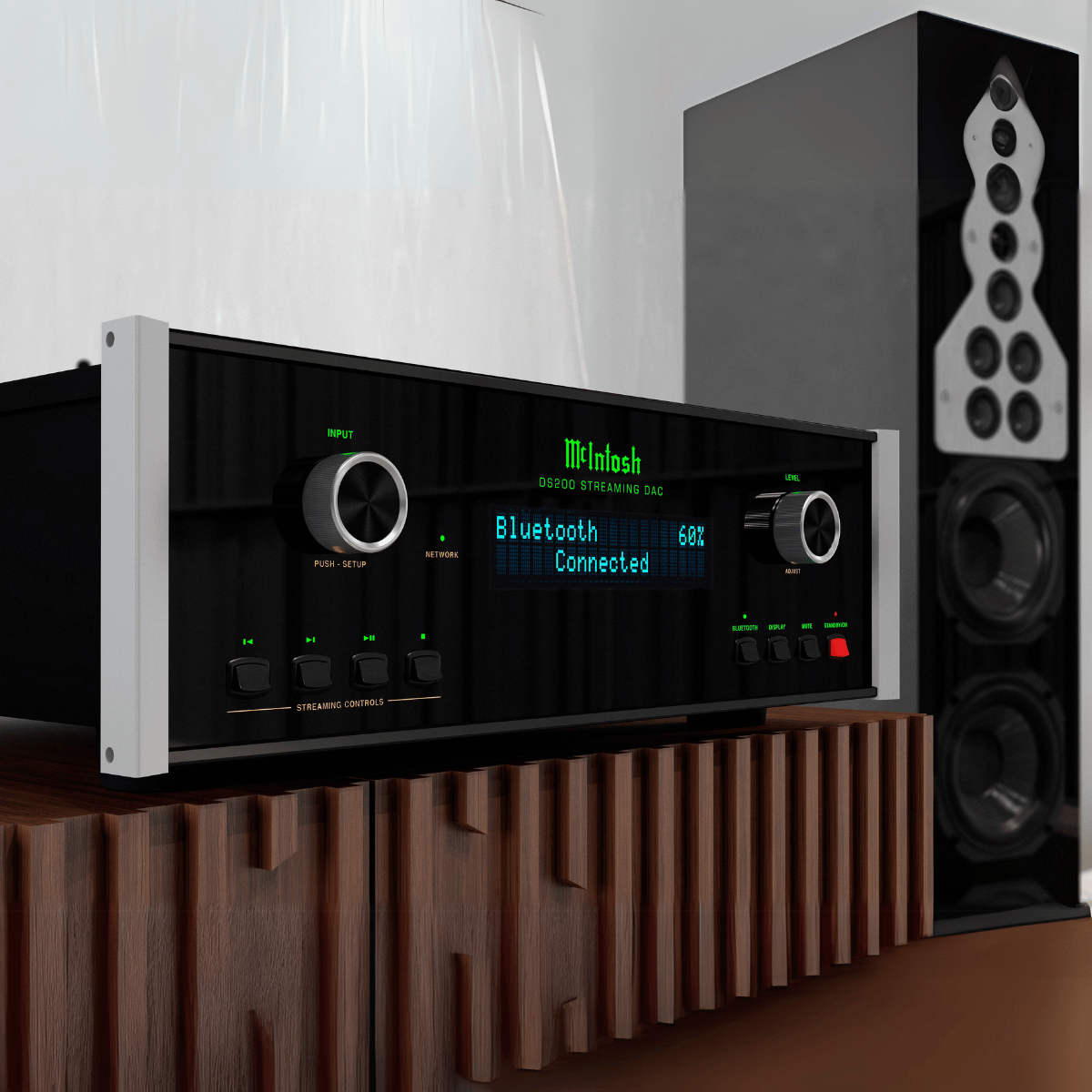
At the top of the range, products like the Audiolab 9000N, Technics SL-G700M2, and McIntosh DS200 combine exceptional digital-to-analogue conversion with advanced features and build quality to match high-end Hi-Fi systems. These are for setups where every other component is already performing at a high level.
The right budget depends on the rest of your system. Pairing a flagship streamer with entry-level speakers makes little sense. Equally, using a basic streamer with exceptional speakers and amplification means you're not hearing everything those components can deliver.
How to Connect a Network Streamer to Your Hi-Fi System
The physical connection is straightforward. If your streamer has a built-in DAC and your amplifier has available analogue inputs, run a pair of RCA cables from the streamer's analogue outputs to your amplifier's inputs. If you're using an external DAC, connect the streamer's digital output (optical, coaxial, or USB) to your DAC, then connect the DAC's analogue outputs to your amplifier.
For the network connection, Ethernet provides the most stable connection and is worth using if you can run a cable to your Hi-Fi system. If that's not practical, Wi-Fi works well for most applications, though you may experience occasional dropouts with high-resolution files if your Wi-Fi signal is weak.
Setup typically involves downloading the manufacturer's control app, connecting the streamer to your network, and logging into your streaming service accounts. Most modern streamers make this process relatively painless, though the quality of the setup experience varies between manufacturers.

Frequently Asked Questions
Can I use a network streamer with my existing amplifier?
Yes, provided your amplifier has available inputs. Most streamers connect via standard RCA cables to any amplifier with analogue inputs. If you're using the streamer's digital outputs to connect to an external DAC, you'll need an amplifier with inputs for the DAC's outputs.
Do I need expensive cables?
Decent quality cables matter, but you don't need to spend hundreds on exotic designs. Well-made cables with proper shielding will serve you well. The difference between a reasonable cable and an expensive one is far smaller than the difference between a poor cable and a reasonable one.
What's the difference between a streamer and a DAC?
A network streamer includes network connectivity to access streaming services and music files, plus a DAC to convert the digital audio to analogue. A standalone DAC only handles the digital-to-analogue conversion (you need a separate source like a computer or CD transport to provide the digital audio signal). Some devices function as both, offering network streaming capabilities alongside high-quality DAC performance.
Can I play Spotify on a network streamer?
Most modern network streamers support Spotify, either through native integration in the control app or via Spotify Connect, which lets you use Spotify's own app to control playback. Check the specifications of any streamer you're considering to confirm Spotify support if that's important to you.
Do network streamers work with vinyl setups?
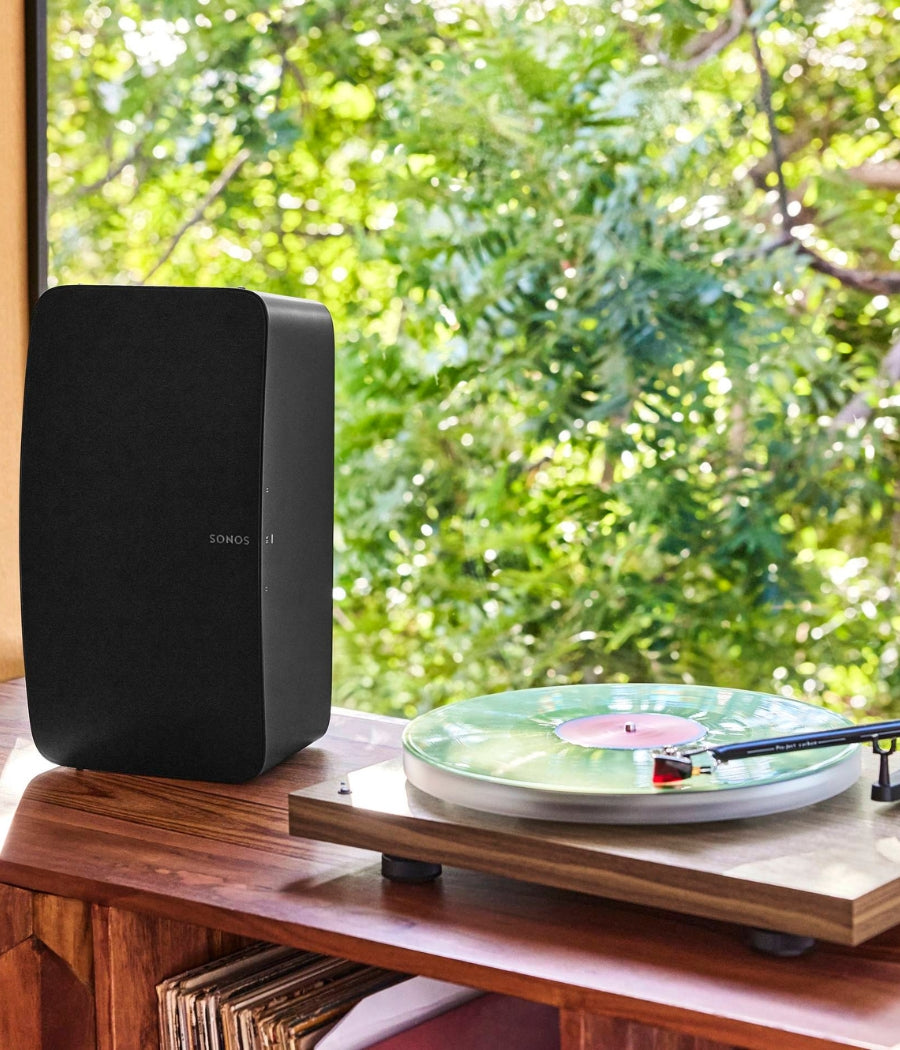
Absolutely. A network streamer is just another source component, like a turntable or CD player. You can connect both a turntable and a network streamer to your amplifier and switch between them as desired. Many people appreciate having both the focused, intentional experience of vinyl and the convenience of streaming in the same system.
What if I don't hear a difference?
It depends on where you're starting from. If you're currently using Bluetooth and you've noticed your speakers sound better with CDs or vinyl, you'll hear a clear difference. If you're already running a clean digital source and you're happy with how it sounds, the change will be more subtle. Either way, we're happy to talk through your setup and give you an honest read on whether it's worth it.
Final Thoughts: Is a Network Streamer Right for You?
A network streamer is not for everyone. If you're happy with Bluetooth, or your amplifier already streams, and you like how it sounds, there's nothing to fix. But if you've noticed your system sounds better with CDs or vinyl than it does with Spotify from your phone, a dedicated streamer will close that gap - and in most cases, close it completely.
The pairing matters. A capable entry-level streamer adds streaming to a good system without holding it back. A better streamer becomes the right call when your speakers and amplification are already performing at a high level. If you're not sure where your system sits, that's exactly the kind of question we're here to answer.
We stock a carefully chosen range of network streamers at every price point - from capable entry-level options that make streaming genuinely accessible, through to premium components built for systems where every detail matters.
The brands we carry have been selected because they perform, not because they're popular. Whether you're adding streaming to an existing system for the first time or looking for a source component worthy of a high-end setup, there's something in the range for you.
You'll likely find what you're after in our online store, but if you're not sure where to begin - or you want to know what will work well with what you already have - head to our contact page, we're easy to reach.