















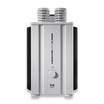
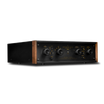


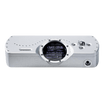





































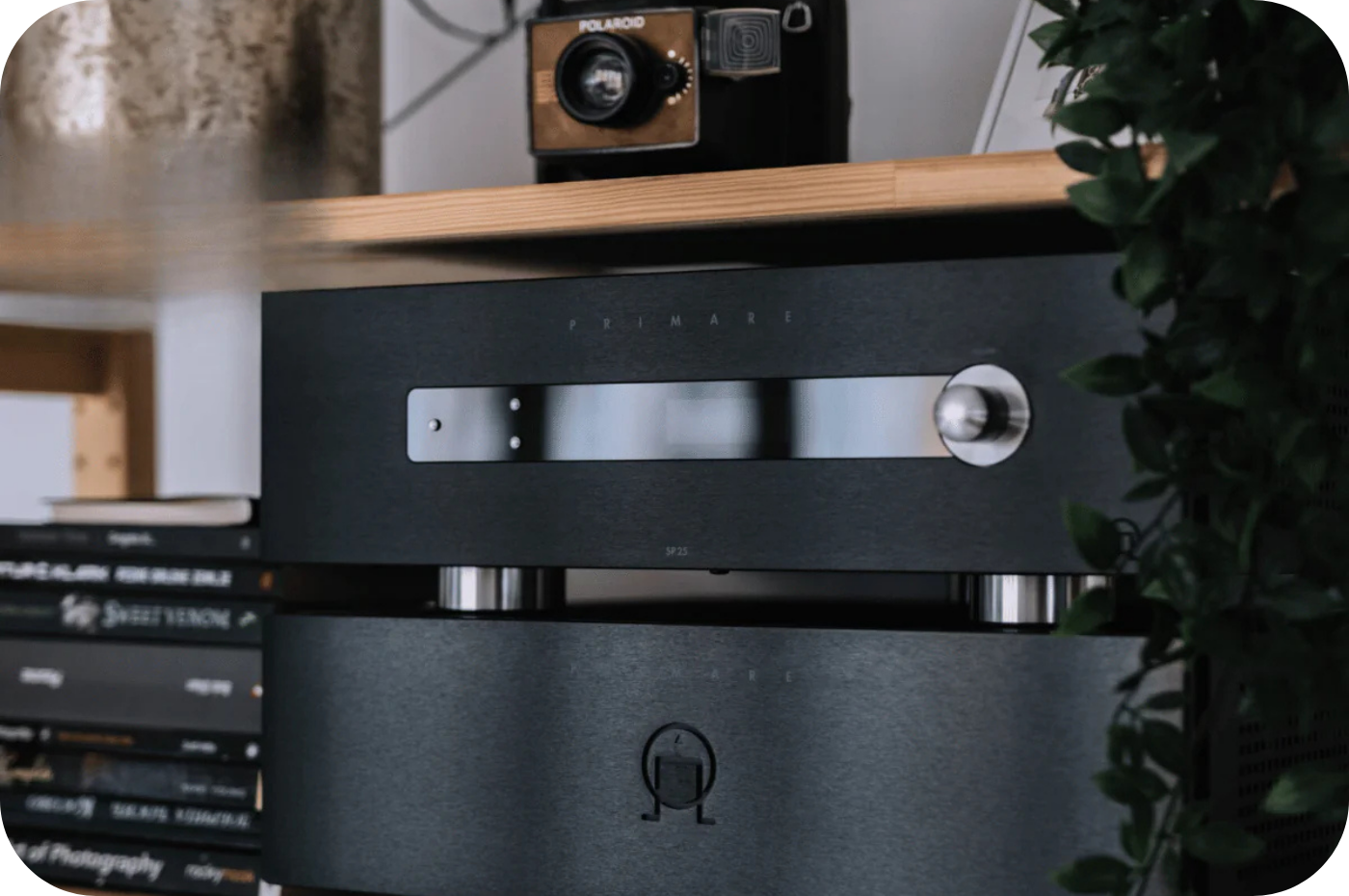
You're standing at a crossroads in your audio journey. You want better sound - whether that's for your vinyl collection, your streaming library, or your Friday night film sessions - but you're stuck on a fundamental question: do you need an integrated amplifier or an AV receiver?
It's not a trivial choice. Get it wrong and you'll either end up with a system that can't do what you need, or you'll have paid for a stack of features you'll never use. The good news? The decision is simpler than the audio industry makes it sound. You just need to understand what each type of amplifier actually does, and more importantly, how you'll actually use it.
The Quick Answer
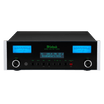
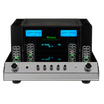
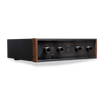
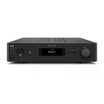
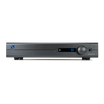
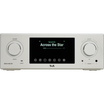
An integrated amplifier combines a preamplifier and power amplifier in one box, designed specifically for stereo music listening. It takes audio signals from sources like turntables, CD players, or streamers, and powers a pair of passive speakers.
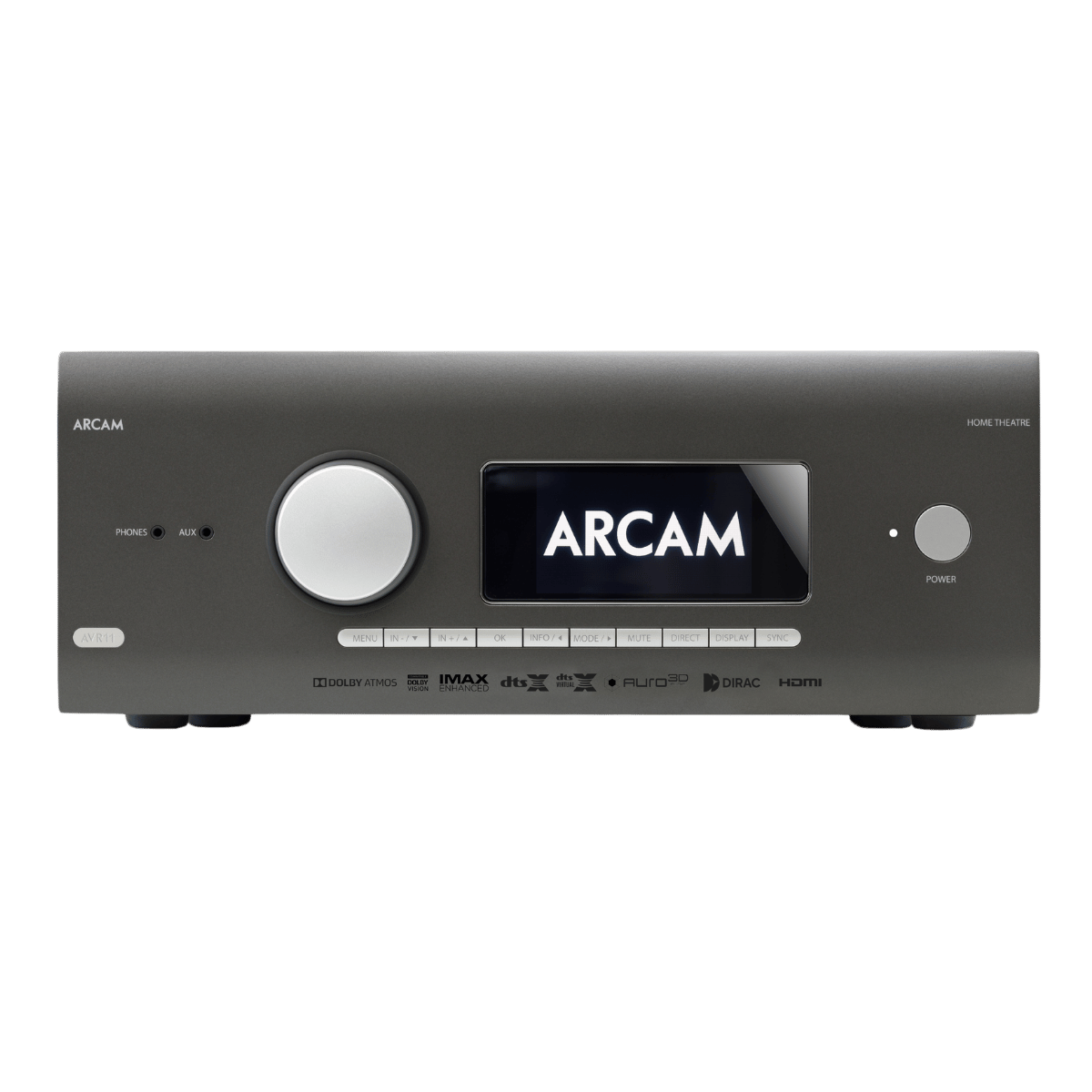
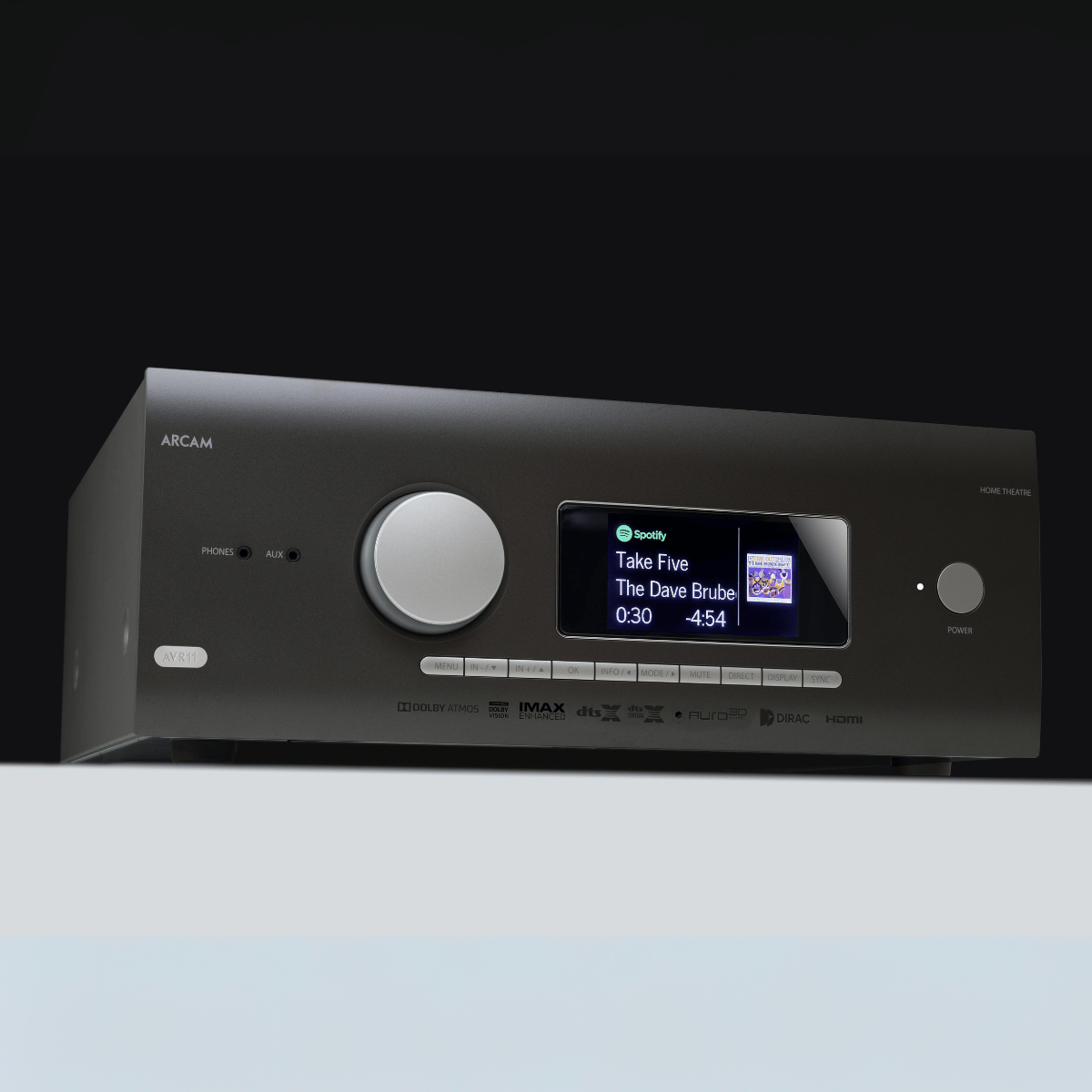
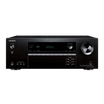
An AV receiver does all that, plus handles surround sound processing, video switching via HDMI, and powers multiple speakers for home theatre setups. It's the command centre for a multi-channel system.
Choose an integrated amplifier if: music is your priority, you're happy with stereo sound, and you do not require surround sound.
Choose an AV receiver if: you want surround sound for films and TV, you have multiple HDMI devices to connect, or you're building a dedicated home theatre.
Still not sure? Our decision framework, further down this page, will help you determine which one best fits your actual listening habits.

What Is an Integrated Amplifier?
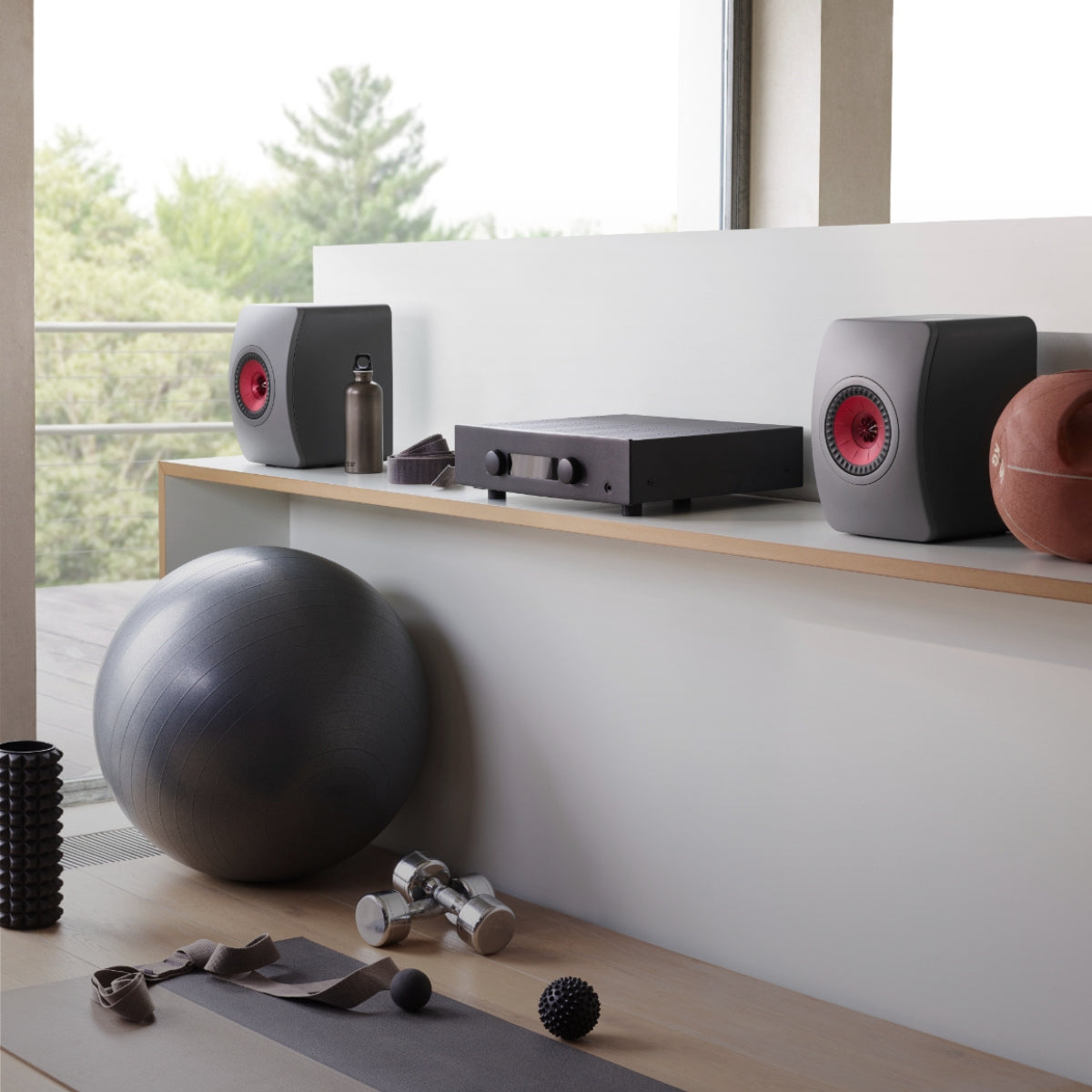
An integrated amplifier is, at its core, a straightforward piece of kit. It combines two essential functions - preamplification (controlling volume and switching between sources) and power amplification (actually driving your speakers) - in a single chassis. Think of it as the heart of a traditional stereo system.
The defining characteristic is its focus on two-channel audio. Left speaker, right speaker, done. No centre channel for dialogue, no surround speakers for atmospheric effects, just pure stereo, the way most music has been recorded and mixed for decades.
What an integrated amplifier does exceptionally well is take the signal from your chosen source - whether that's a turntable, a network streamer playing Tidal, or a CD player - and amplify it cleanly and powerfully enough to drive your speakers. The best ones do this with minimal distortion, which is why serious music listeners often prefer them to the Swiss Army knife approach of an AV receiver.
What they don't do is process video, decode Dolby Atmos, or switch between HDMI inputs. If you plug your TV's audio output into an integrated amp, you'll get stereo sound. For some people, that's a limitation. For others, it's exactly the point.
What Can You Connect to an Integrated Amplifier?
The beauty of an integrated amplifier lies in its versatility for music sources. Most models offer somewhere between three and six inputs, which is plenty for a well-rounded system.
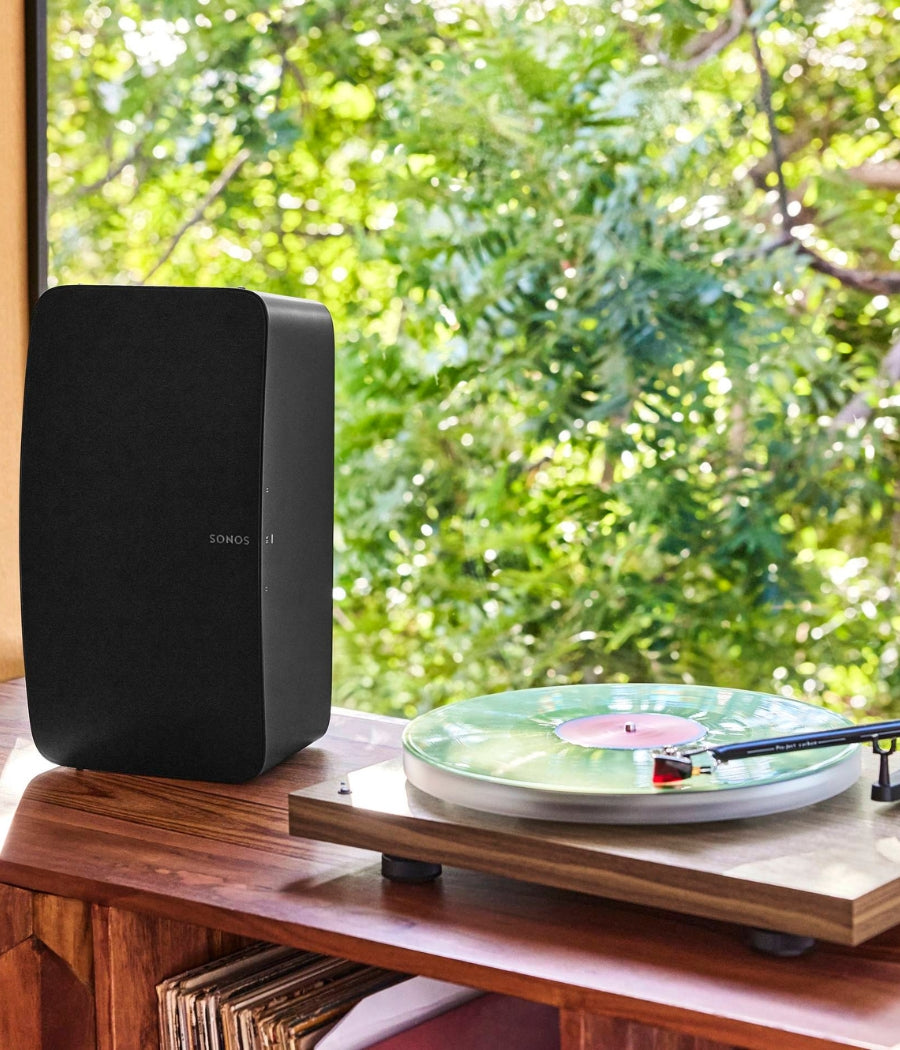
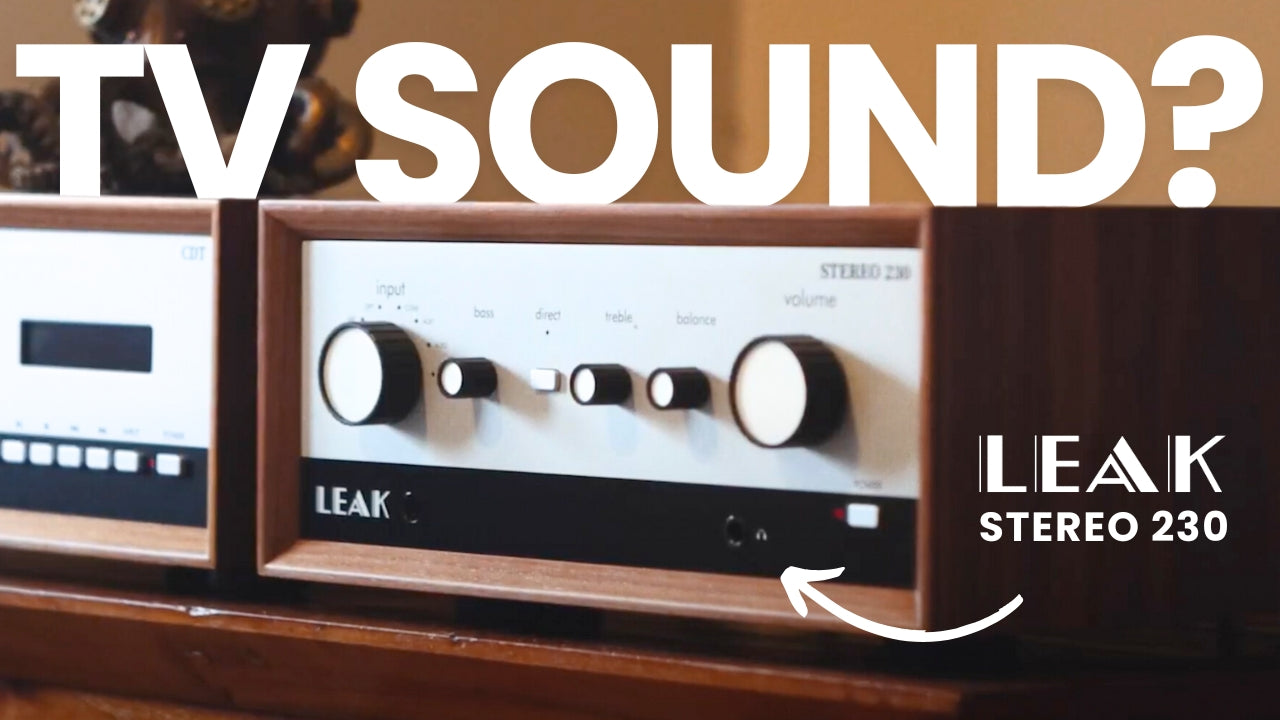
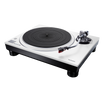
You can connect a turntable, provided your amp has a phono input (or you use an external phono preamplifier). You can hook up a CD player or CD transport via analogue or digital connections. A network music streamer slots in perfectly, giving you access to Spotify, Tidal, Qobuz, or your own digital library. Many people also connect their TV's audio output, usually via optical or ARC, so they can listen to television through their main speakers in stereo.
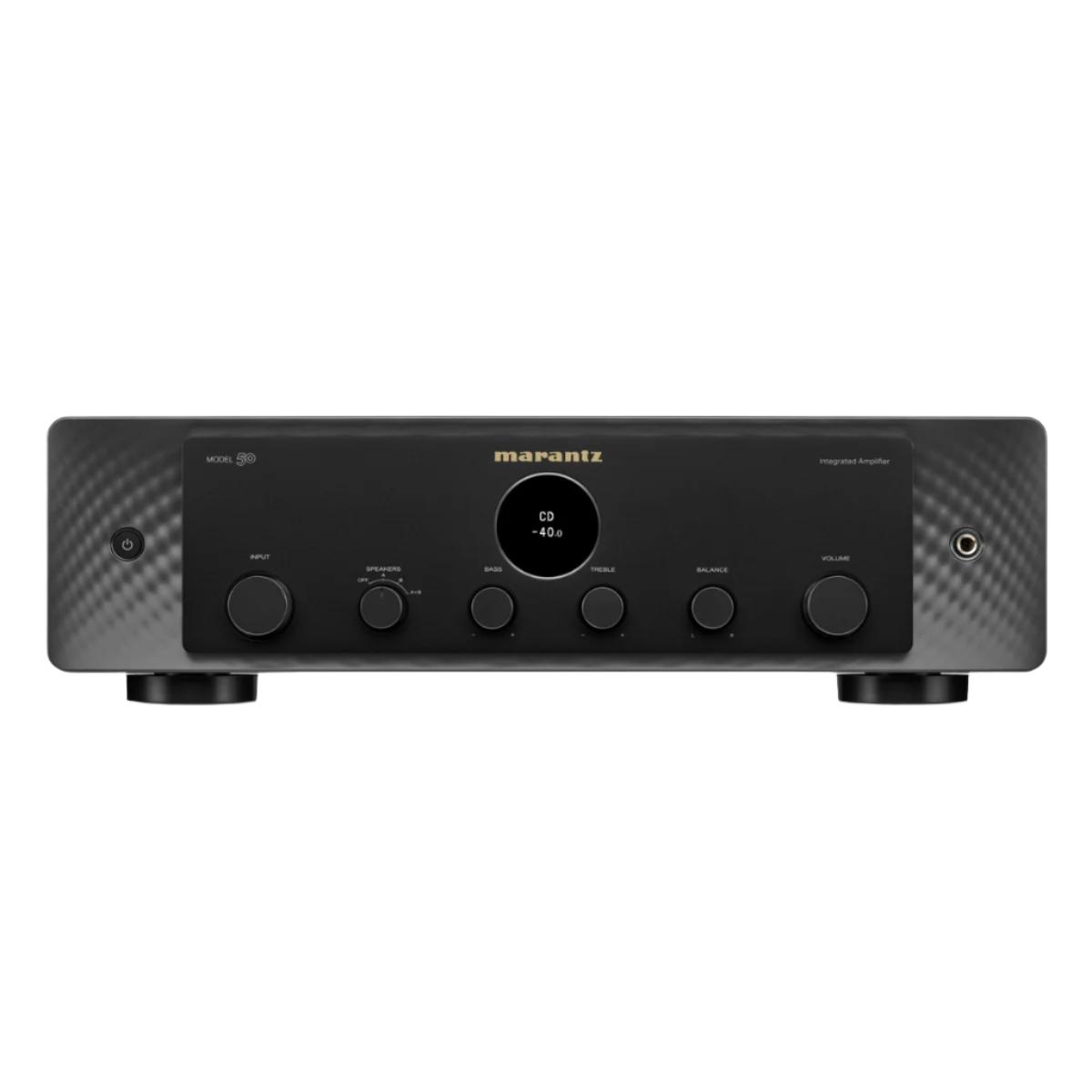
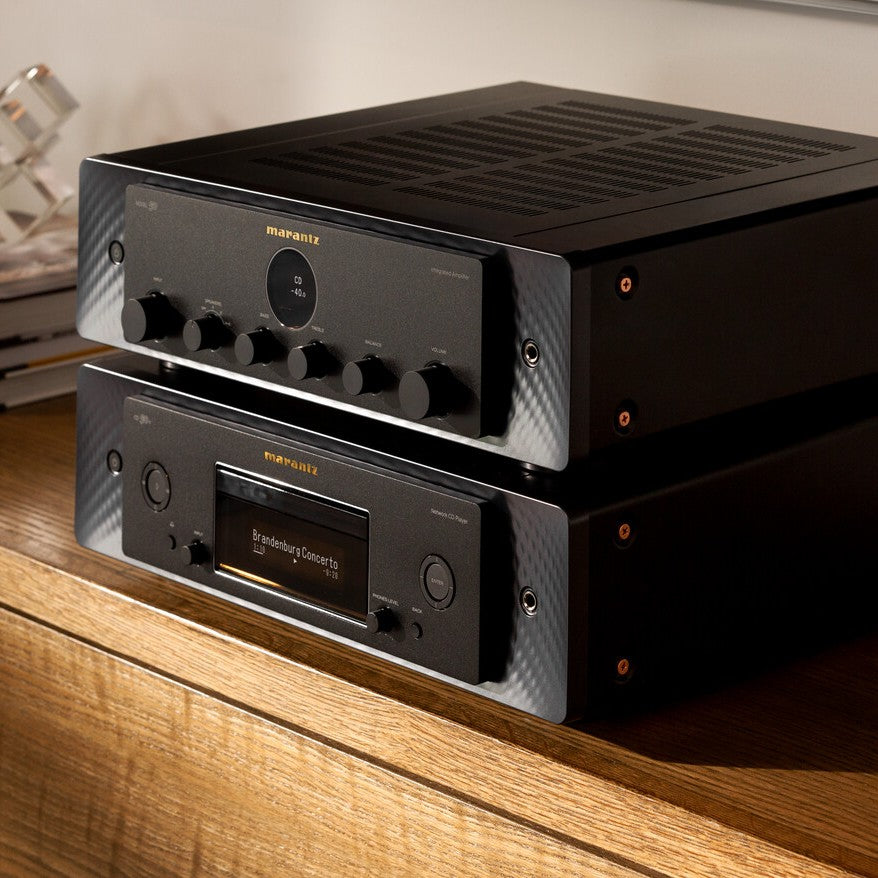
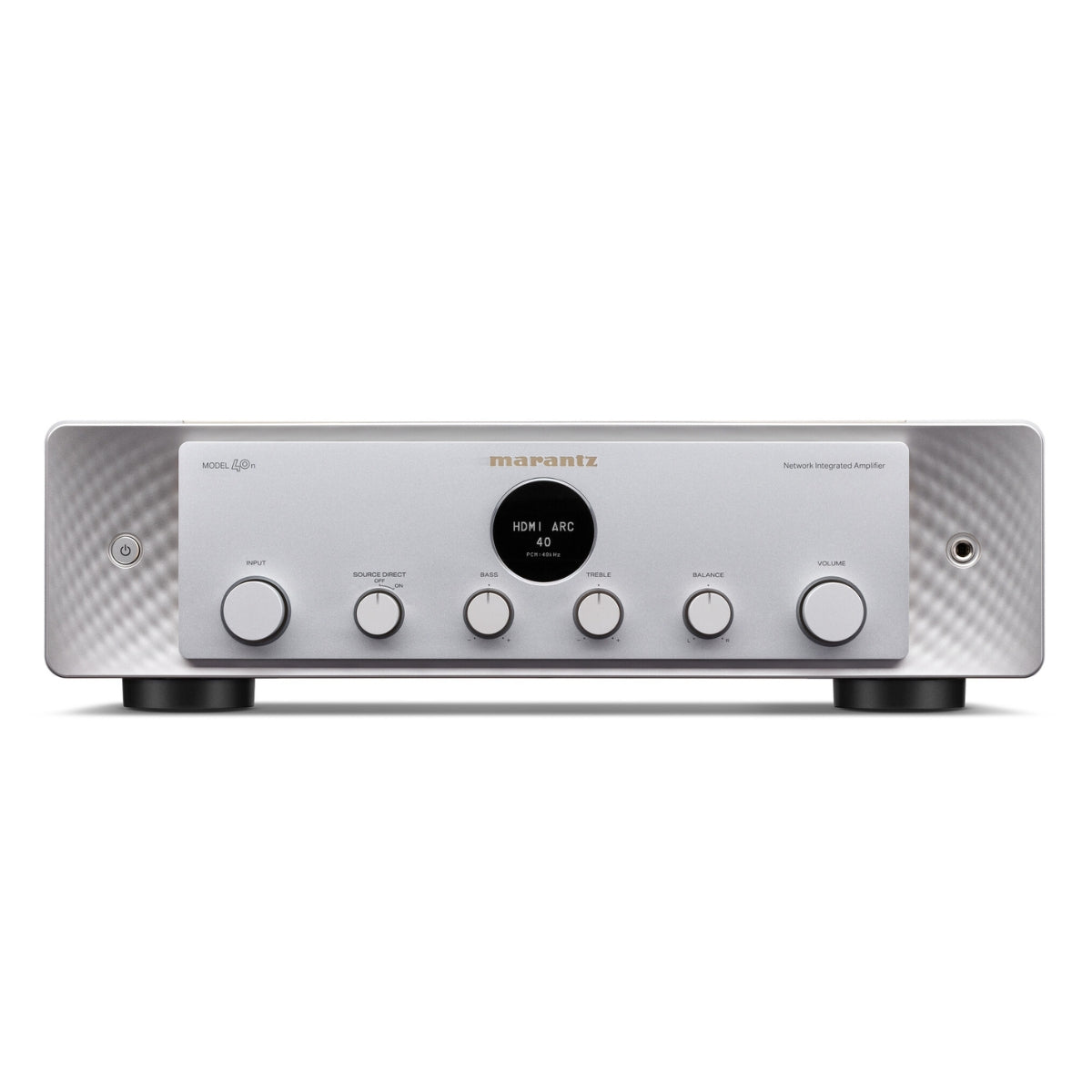
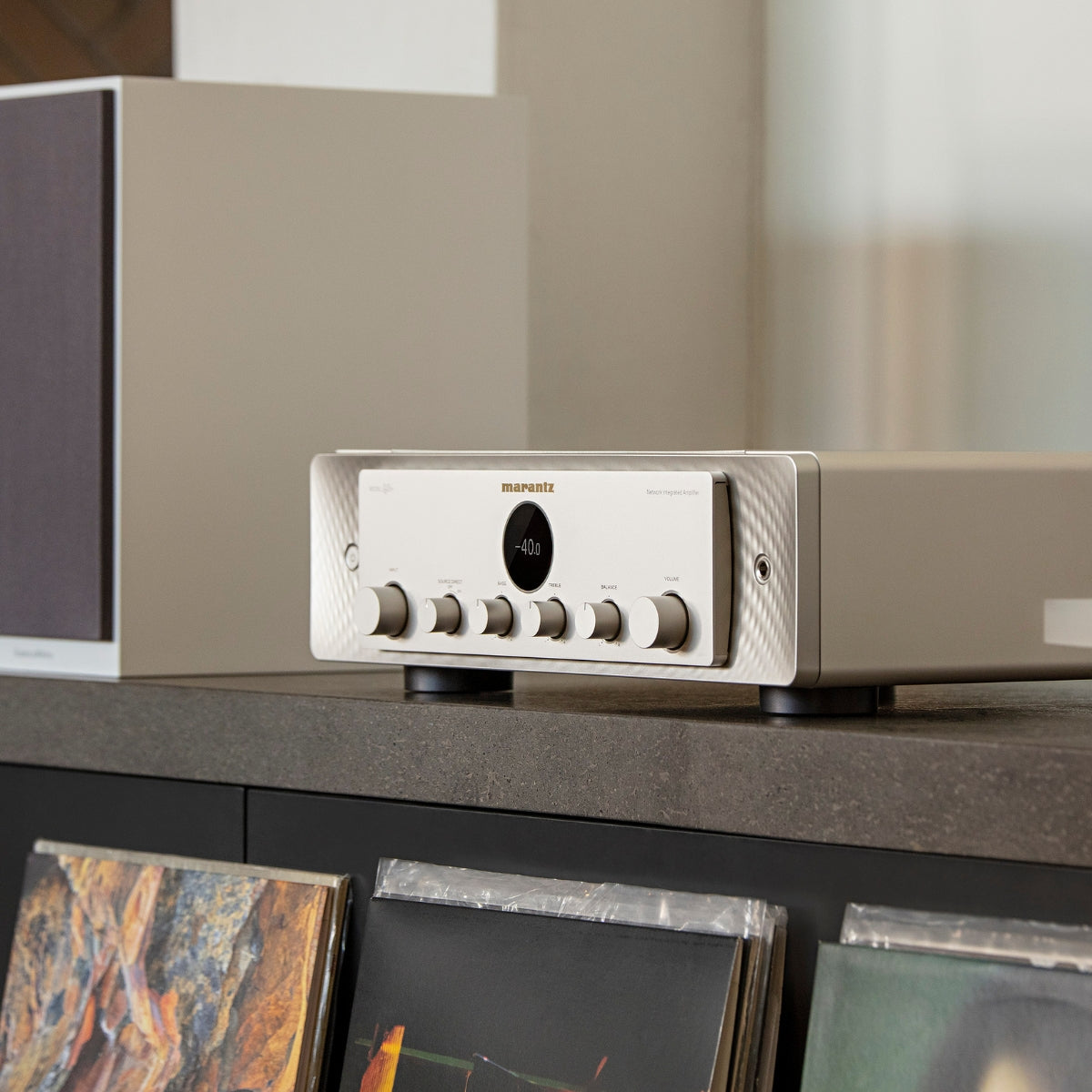
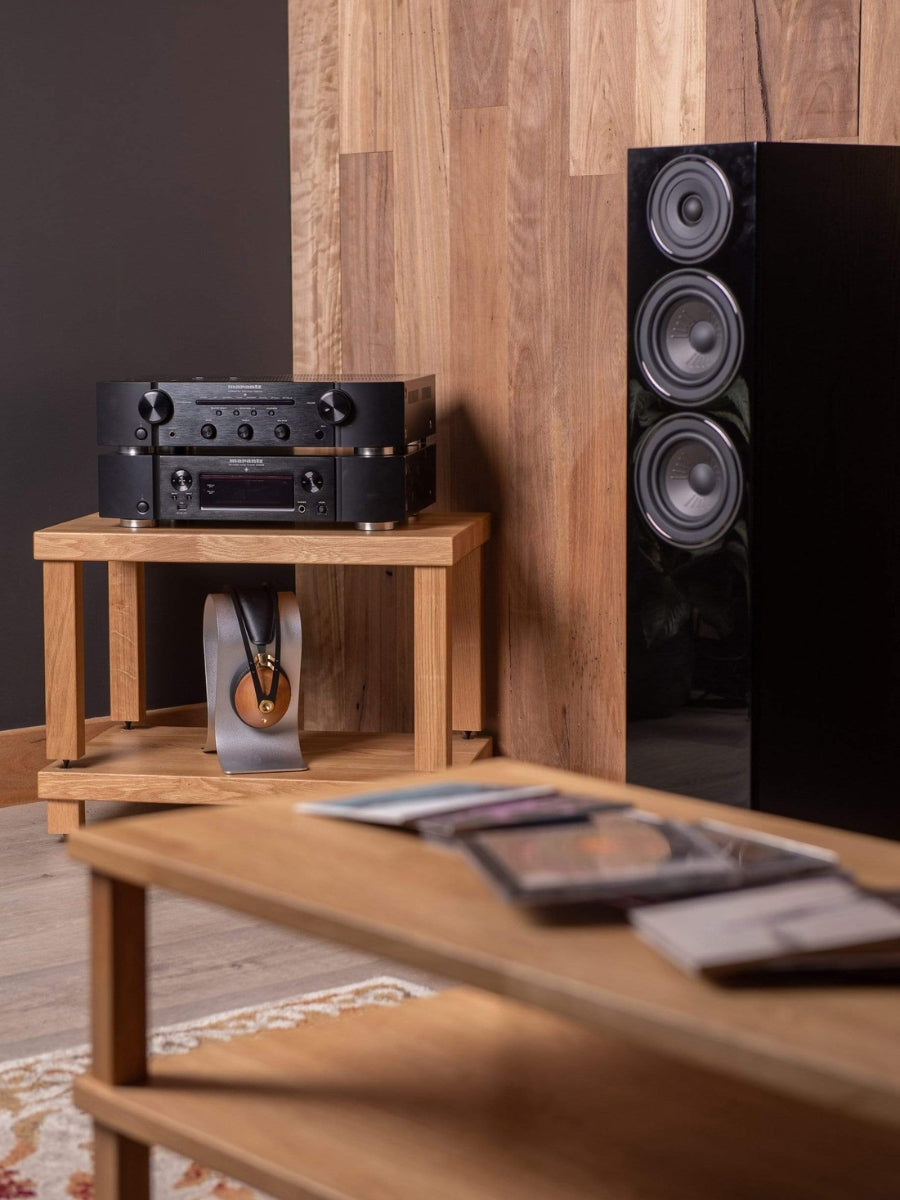
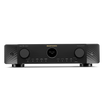
Modern integrated amplifiers have evolved with the times. Many now include built-in digital-to-analogue converters (DACs - the component that converts digital audio files into analogue signals your speakers can reproduce) and Bluetooth connectivity. Some have USB inputs for direct computer connection. The Marantz Model 50, for instance, packs a high-quality MM phono stage alongside six analogue inputs, making it a genuinely versatile one-box hub for a serious stereo system. If you also want built-in network streaming, the Marantz Model 40n adds built-in streaming such as AirPlay 2, Spotify, & Tidal Connect.
The key point: if it makes sound and doesn't require video switching, an integrated amplifier can almost certainly handle it.

Who Should Choose an Integrated Amplifier?
If you sit down to actively listen to albums - whether on vinyl, CD, or high-resolution streaming - an integrated amp is built for you. It's designed to reproduce music with fidelity and detail, without the compromises that come from trying to be all things to all people.
There's something genuinely satisfying about a system with a clear purpose. Turn it on, select your source, and adjust the volume. No twenty-page setup procedures. Just music.
Perhaps you watch television occasionally, but you're not concerned about surround sound. Maybe you stream films, but you're perfectly happy with stereo audio - especially if your room is on the smaller side. If music is your primary passion and everything else is secondary, an integrated amplifier gives you the best sound quality for your money.
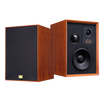
If you're assembling a quality two-channel system over time, choosing each component carefully, an integrated amp is an excellent foundation. Start with the amp and a pair of decent speakers, then add a better source later. Or upgrade your speakers while keeping the amp. The modular nature of a traditional hi-fi system gives you flexibility that all-in-one solutions can't match.
It's also worth noting: if you're a vinyl listener, an integrated amplifier is often the most musically satisfying path. Your turntable gets a direct signal path into an amplifier tuned for music reproduction first, rather than one optimised for cinema processing.
What Is an AV Receiver?
An AV receiver is a different beast altogether. It's an integrated amplifier that's been asked to do about five other jobs at the same time.
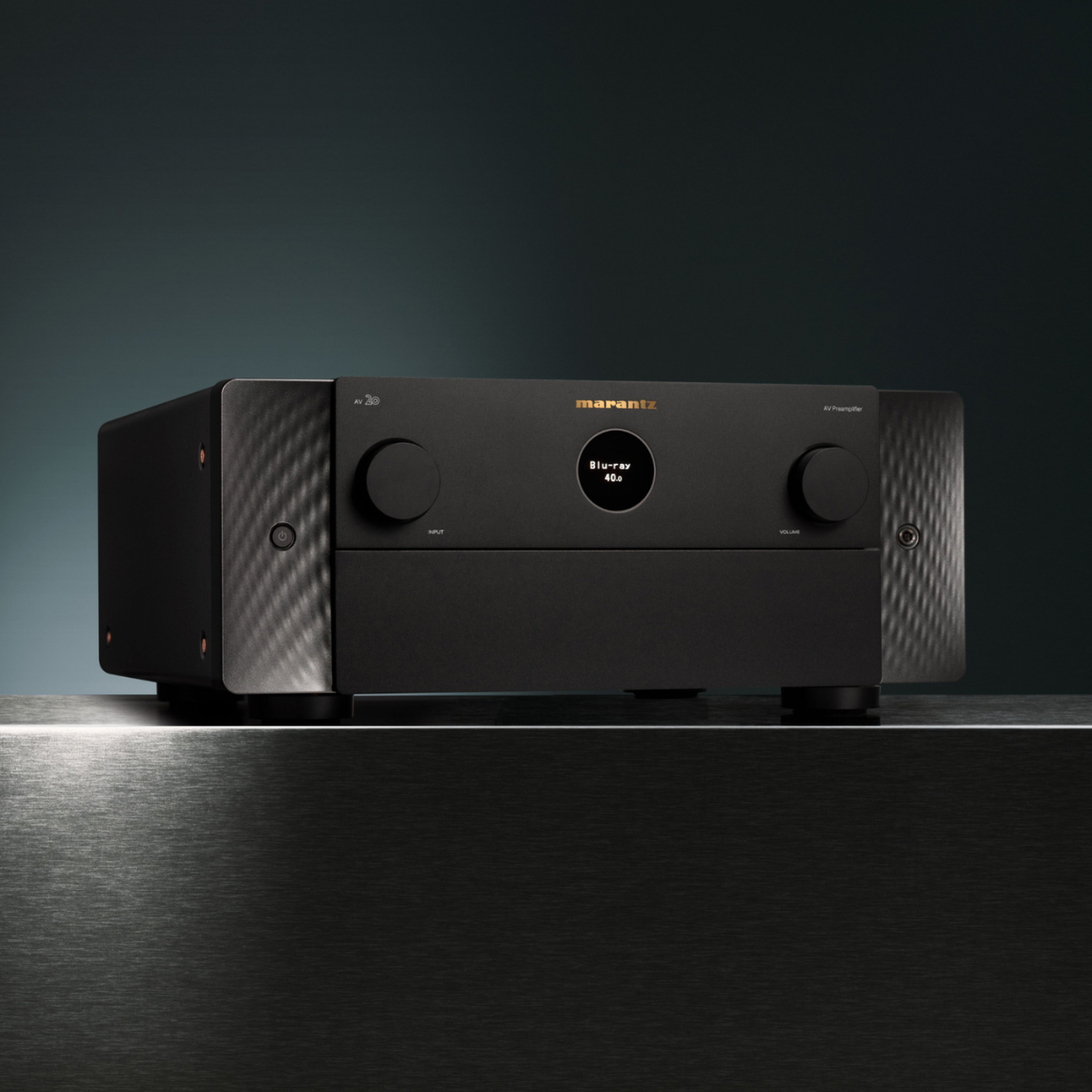
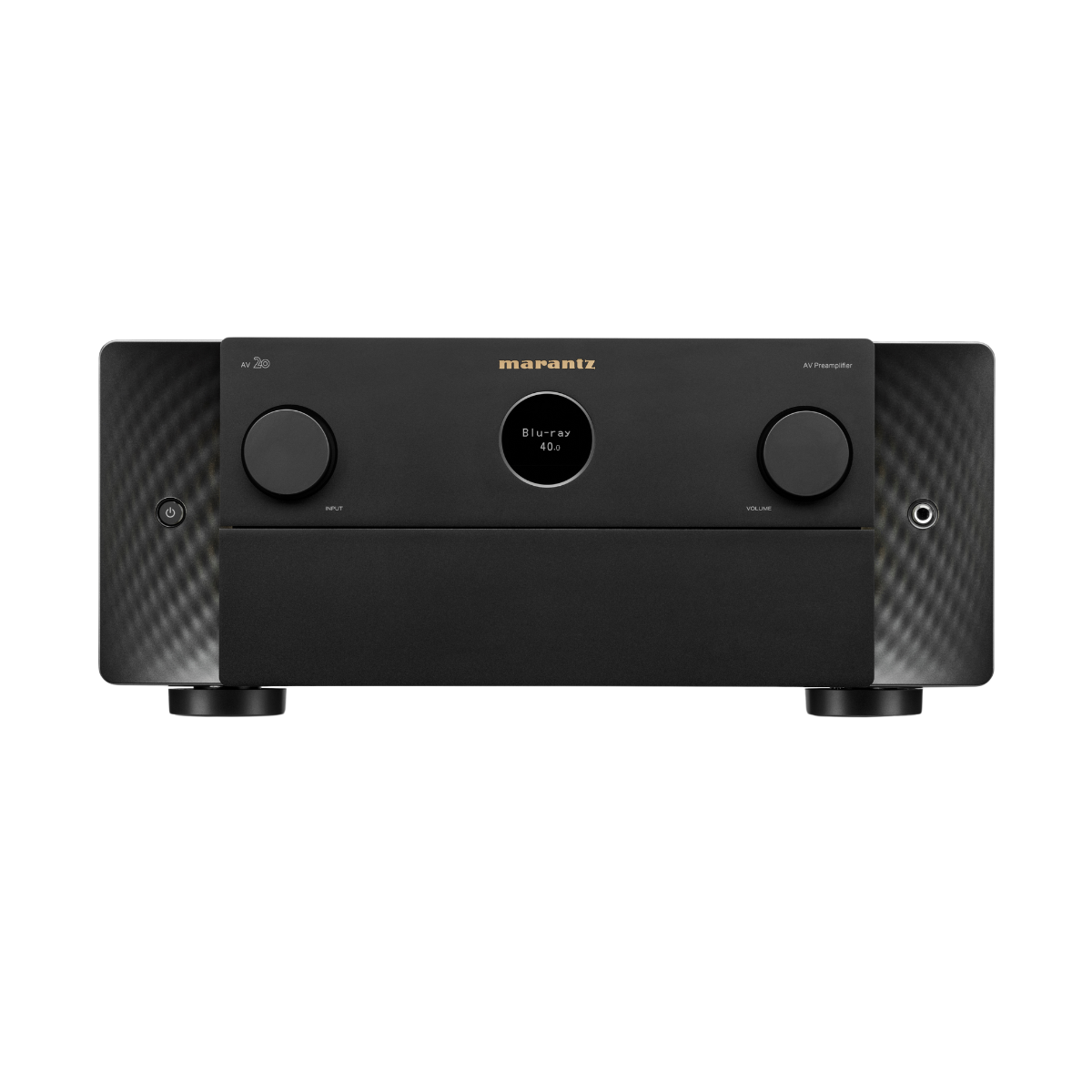
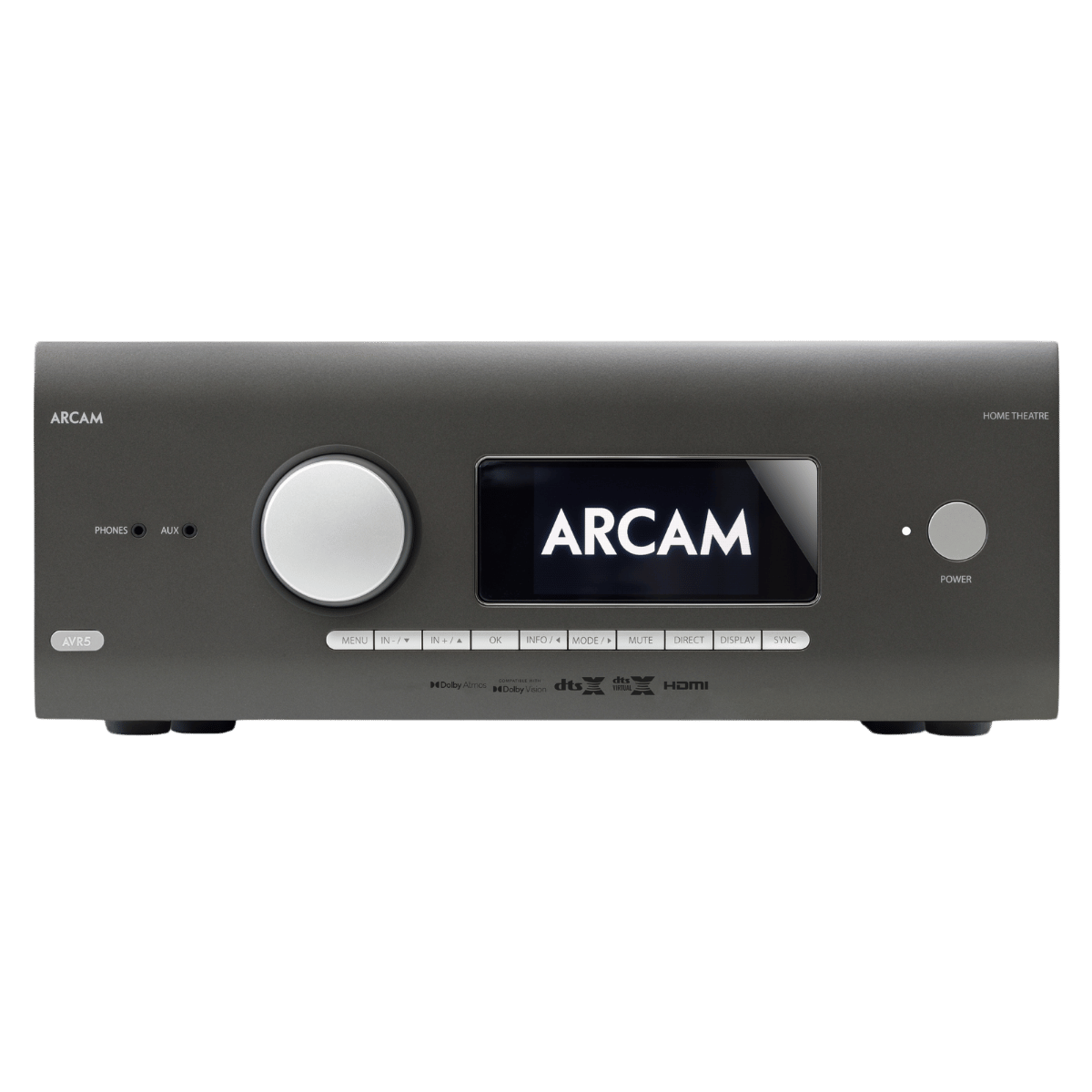
At its core, an AV receiver still amplifies audio signals to drive speakers. But it also decodes surround sound formats like Dolby Atmos and DTS:X, switches video signals between multiple HDMI sources, processes room correction (software that optimises sound for your specific space), and powers anywhere from five to thirteen speaker channels. Some models add network streaming, multi-room audio, and voice control for good measure.
The defining feature is surround sound processing. When you watch a film encoded in Dolby Atmos, the AV receiver takes that complex, multi-channel audio track and routes it to the correct speakers - front left and right, centre channel for dialogue, surround speakers for ambient effects, height speakers for overhead sounds, and a subwoofer for low-frequency rumble. It's conducting an orchestra of speakers, all working together to create an immersive soundfield around you.
The trade-off for all this capability is complexity. AV receivers have more inputs, more outputs, more settings, and more things to configure. They also tend to prioritise features and power output over the last word in stereo music reproduction - though the gap has narrowed considerably in recent years, particularly among manufacturers with genuine hi-fi heritage.

What Can You Connect to an AV Receiver?
If an integrated amplifier is a specialist, an AV receiver is a generalist with a very large toolkit.
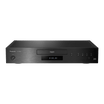
On the video side, you can connect your Blu-ray player, gaming consoles, streaming devices like Apple TV or Nvidia Shield, and your cable or satellite box. The receiver switches between these sources and passes the video through to your TV or projector, while simultaneously extracting and processing the audio.
On the audio side, you can still connect traditional sources - CD players, turntables (if there's a phono input), and music streamers. Many AV receivers now include built-in network streaming, so you can access Spotify, Tidal, or your home music server directly.
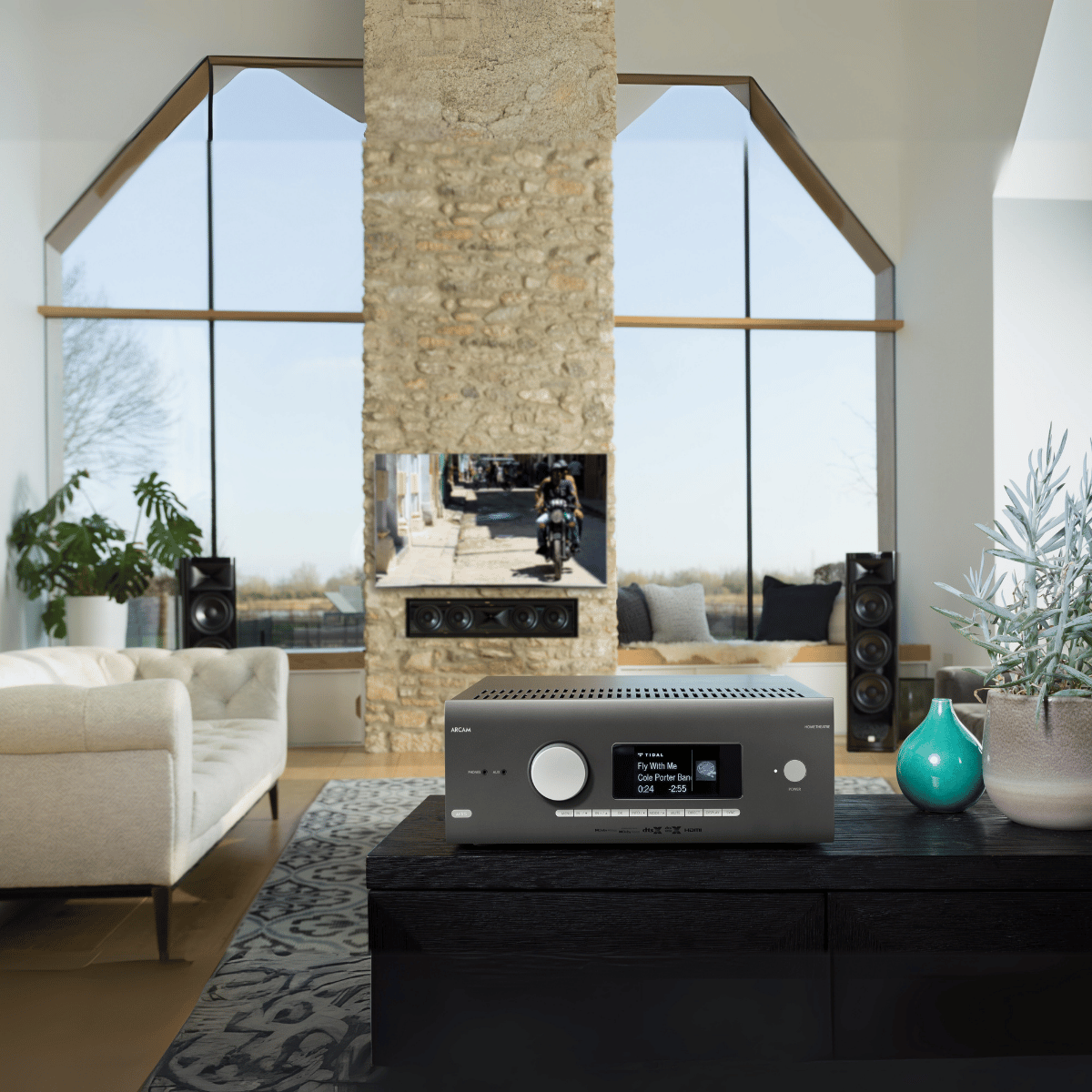
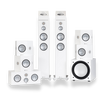
The real party trick is speaker connectivity. An AV receiver can power a full surround sound system: front left and right speakers, a centre channel for dialogue, surround speakers, height speakers for Dolby Atmos, and one or two subwoofers. A typical 7.2.4 setup - seven main speakers, two subwoofers, and four height channels - is well within reach of a modern mid-range receiver.
The beauty of this centralised approach is the simplicity of control. One remote, one interface, one device managing your entire home theatre. The complexity is hidden behind the scenes, where it belongs.
Who Should Choose an AV Receiver?
If you care about the cinematic experience - the rumble of an explosion, the subtle rustle of leaves in a forest scene, the precise placement of dialogue - you need surround sound, and that means an AV receiver.
Modern games feature sophisticated spatial audio that can genuinely enhance gameplay, particularly in competitive shooters or immersive single-player titles. Hearing an enemy's footsteps behind you isn't just atmospheric; it's tactically useful.
If you have a Blu-ray player, a streaming box, a games console, and maybe a media server all competing for HDMI ports on your TV, an AV receiver elegantly solves that problem. Everything connects to the receiver, which handles the switching and sends one clean signal to your display.
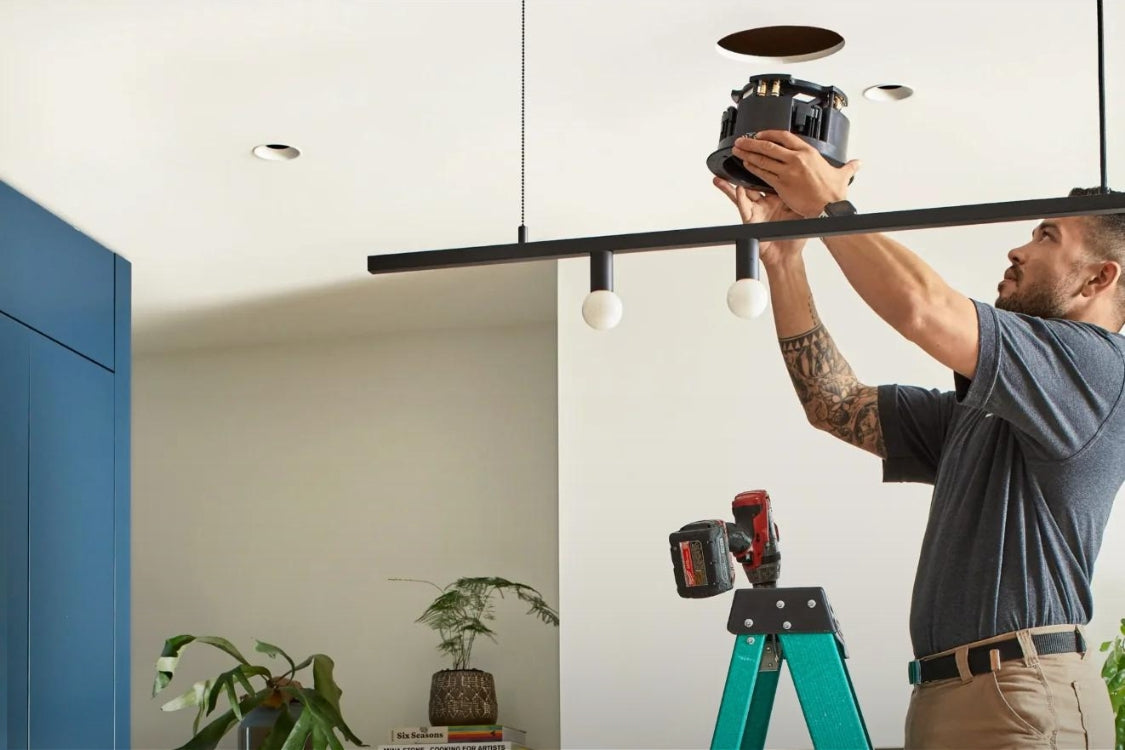
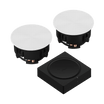
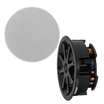
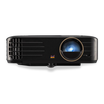
If you're planning in-ceiling speakers, acoustic treatment, and a projector, you're already committed to the full experience. An AV receiver is the brain that makes it all work.

The Key Differences: Side by Side
Channel count is the most fundamental difference. An integrated amplifier powers two channels: left and right. An AV receiver powers five, seven, nine, or more channels, depending on the model and your speaker configuration.
Primary use case follows naturally. Integrated amplifiers are built for music listening in stereo. AV receivers are designed for films, television, and gaming, with music as a secondary function.
Connectivity tells the story in ports and sockets. Integrated amplifiers offer audio inputs - RCA, optical, sometimes USB or network streaming. AV receivers add multiple HDMI inputs, video processing, and outputs for a full speaker array.
Complexity is where you pay for those extra features. An integrated amplifier is typically straightforward: plug in your sources, connect your speakers, and you're done. An AV receiver requires setup and calibration - running room correction, assigning speakers, configuring bass management, and navigating on-screen menus.
Sound character is more subjective, but there's a general pattern. Integrated amplifiers - tend to prioritise tonal accuracy and stereo imaging: the sense of instruments and voices occupying specific positions in space between your speakers. AV receivers focus on surround effects, dialogue clarity, and the ability to fill a room with sound. The best AV receivers can do both, but the house sound typically leans toward excitement over refinement.
Price is similar across the range, but you're buying different things. A $2,000 integrated amplifier is putting most of that budget into stereo sound quality and build. A $2,000 AV receiver is spreading that investment across more channels, video processing, room correction software, and network features. Neither is better value; they're simply different priorities.
Can You Use an Integrated Amplifier for Home Theatre?
Yes, but you need to know what you're getting.
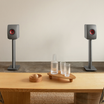
If you connect your TV's audio output to an integrated amplifier and a pair of good speakers, you'll get stereo sound. That stereo sound might be very good - certainly better than your TV's built-in speakers, and often better than a budget soundbar. But it's still stereo. You won't get a centre channel anchoring dialogue to the screen. You won't get surround effects placing sounds around the room. You won't get the overhead dimension of Dolby Atmos.
For some content and some rooms, this is absolutely fine. Smaller rooms, where you're sitting relatively close to the screen, work well with stereo. Dialogue-focused content - dramas, documentaries, news - doesn't suffer much from the lack of a centre channel. Music documentaries and concert films can actually sound better in stereo than through artificial surround processing.
Here's what you'll experience: dialogue will come from between your two speakers rather than locked to the centre of the screen. If you're sitting off to one side, voices might seem to come from slightly the wrong place. Explosions and effects will stay firmly between your left and right speakers instead of moving around the room. Quiet atmospheric sounds - rain, wind, background conversations - won't have the same immersive quality.
But if you're watching regular TV and the occasional film, and your room is relatively small, stereo from a good integrated amp and quality speakers is perfectly acceptable. Many people prefer it to a mediocre surround system.
Can You Use an AV Receiver for Music?
Absolutely, and modern AV receivers have come a long way.
Every AV receiver has a stereo mode - often called "Pure Direct" or "2-Channel Stereo" - that bypasses the surround processing and sends music to just your front left and right speakers. In this mode, a quality AV receiver can sound excellent, particularly models from manufacturers with genuine hi-fi heritage like Marantz or Arcam.
Many AV receivers include room correction systems like Dirac Live or Audyssey, which can optimise the frequency response for your specific room. This can make a meaningful difference, particularly if your room has acoustic challenges. You can also integrate a subwoofer more easily, which can extend the low-frequency reach of your system without overwhelming the music.
What you'll hear when playing music: with a good AV receiver in stereo mode, you'll get clean, detailed sound with solid bass and clear highs. The overall presentation will be dynamic and engaging. You might notice less separation between the instruments and vocals than with a dedicated integrated amp, and it can sometimes be less forgiving during long listening sessions.
A good AV receiver in stereo mode, properly set up, can sound very good indeed. If you need the home theatre functionality and you also listen to music, you don't need to compromise as much as you might think. Just choose a model with a reputation for musicality, not just features and power.

How to Decide: A Simple Framework
Enough theory. Here's how to work it out.
Start with this: what do you actually spend most of your time doing?
Look at last week honestly. How many hours did you spend listening to music? How many watching films or TV? Gaming? If music accounts for 70% or more of your listening time, lean toward an integrated amplifier. If films, TV, and gaming dominate, an AV receiver makes more sense.
Next, how many HDMI devices do you have? Count them: Blu-ray player, streaming box, games console, cable box. If you have three or more, an AV receiver's switching capabilities will save you genuine hassle. If you have one or two, you can manage with your TV's inputs and an integrated amp for audio.
The surround sound question is binary. Do you actually want sound coming from around and above you? Not "would it be nice" - do you want it enough to deal with multiple speakers and the setup they require? If yes: AV receiver. If no, or "not really": integrated amplifier.
If you watch a lot of TV and you struggle to hear dialogue clearly, a centre channel speaker (which requires an AV receiver) can make a significant difference. If dialogue is generally fine, stereo will serve you well.
Finally: how do you feel about complexity? If you value straightforward setup and minimal fuss, an integrated amplifier is your friend. If you enjoy tinkering and optimising settings, an AV receiver gives you plenty to play with.
Still genuinely torn? Here's the tiebreaker: what will you regret more - not having surround sound for films, or not having the best possible stereo sound for music? Your answer tells you which way to go.
Can You Have Both?
Some people do run both systems, and there are setups where it makes sense. A dedicated two-channel music system in the family room, plus a separate home theatre in the media room, gives you the best of both worlds.
Final Thoughts
Every system is different - your room, your speakers, your sources, and how you listen all matter. We've helped set up hundreds of systems across Australia, stereo and surround, and we're always happy to talk it through before you spend a cent. Give us a call on 07 4580 0803 or get in touch, and we'll help you figure out which path makes sense for you.